
Cheek Fillers / NYC
Cheek filler planned as part of full-face balance
Cheek filler restores the support and contour the mid-face loses over time. We place it only where volume or structural support is actually needed, so you still look like yourself.

Cheek Fillers details
The essentials at a glance
A quick sense of fit, timing, and practical details before you decide whether to book a consultation.
Best forMid-face support, cheekbone contour, facial balance, and selected lid-to-cheek transitions
Mid-face support, cheekbone contour, facial balance, and selected lid-to-cheek transitions
Price rangeCheek and midface filler: $1,000 to $1,500 per syringe Radiesse: $800 to $1,200 per syringe Sculptra: $800 to $1,000 per vial
Cheek and midface filler: $1,000 to $1,500 per syringe Radiesse: $800 to $1,200 per syringe Sculptra: $800 to $1,000 per vial
Prices are current as of October 29, 2026 and are subject to change. Where a range is shown, the cost depends on the provider you choose and the type of product used. Prices do not include additional treatments we may recommend as part of a multimodality plan. Your plan and its exact cost are confirmed at your consultation.
DowntimeMild swelling and some bruising for a few days
Mild swelling and some bruising for a few days
Results timelineImmediate, settles by about 2 weeks
Immediate, settles by about 2 weeks
Sessions neededUsually 1 visit, with maintenance reviewed over time
Usually 1 visit, with maintenance reviewed over time
Results
Before and after
Photographed at the before and after intervals, under consistent lighting and from the same angle.
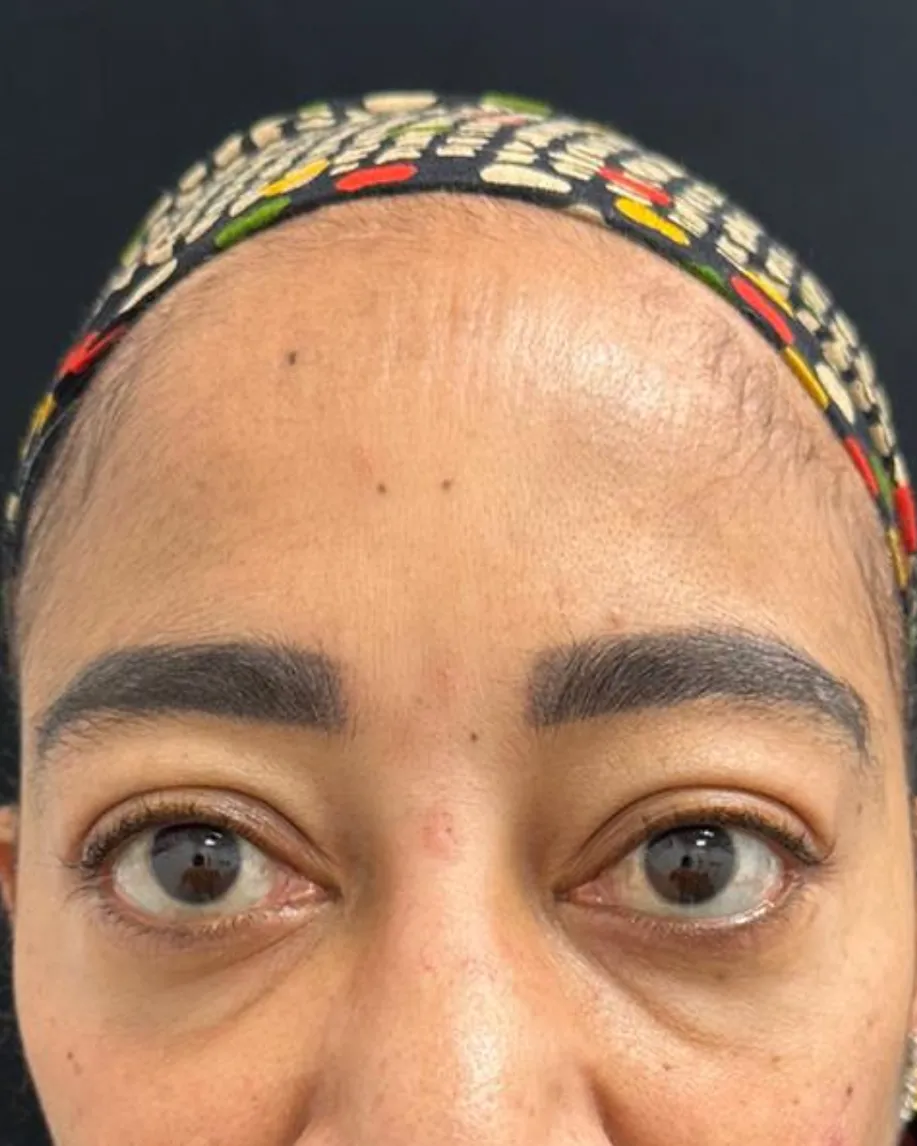
Before 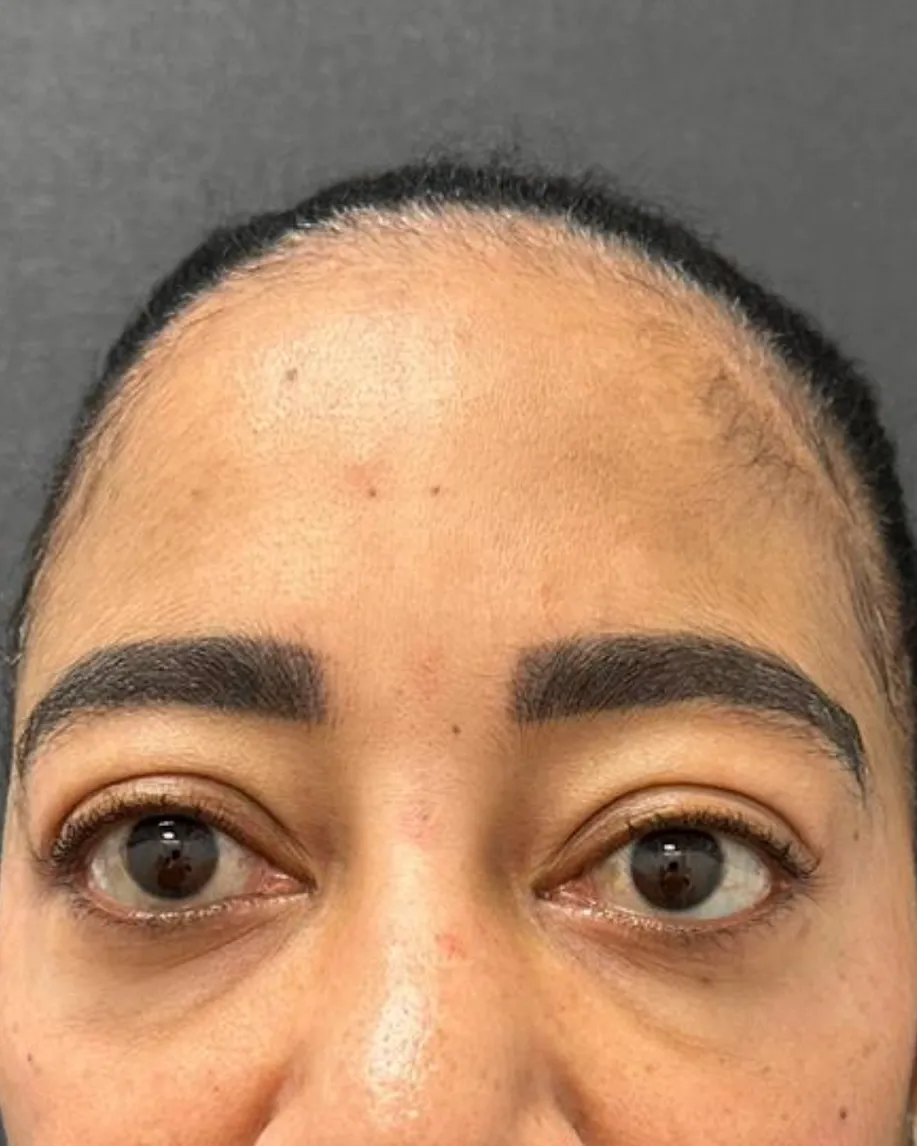
After Temple hollowing
Under half a syringe per temple. The hollow at the side of the forehead softened and the brow sits better because of it.
Temple filler, 0.4 cc
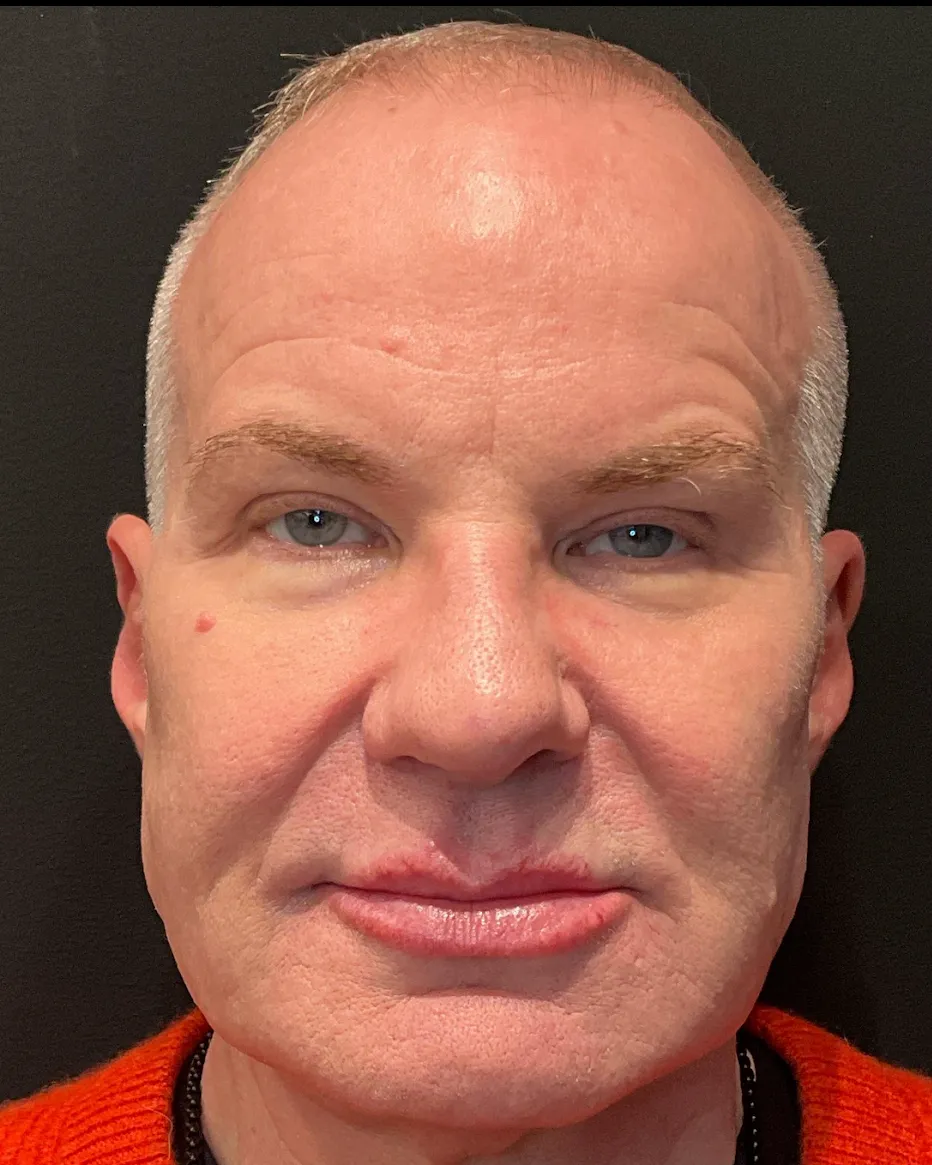
Before 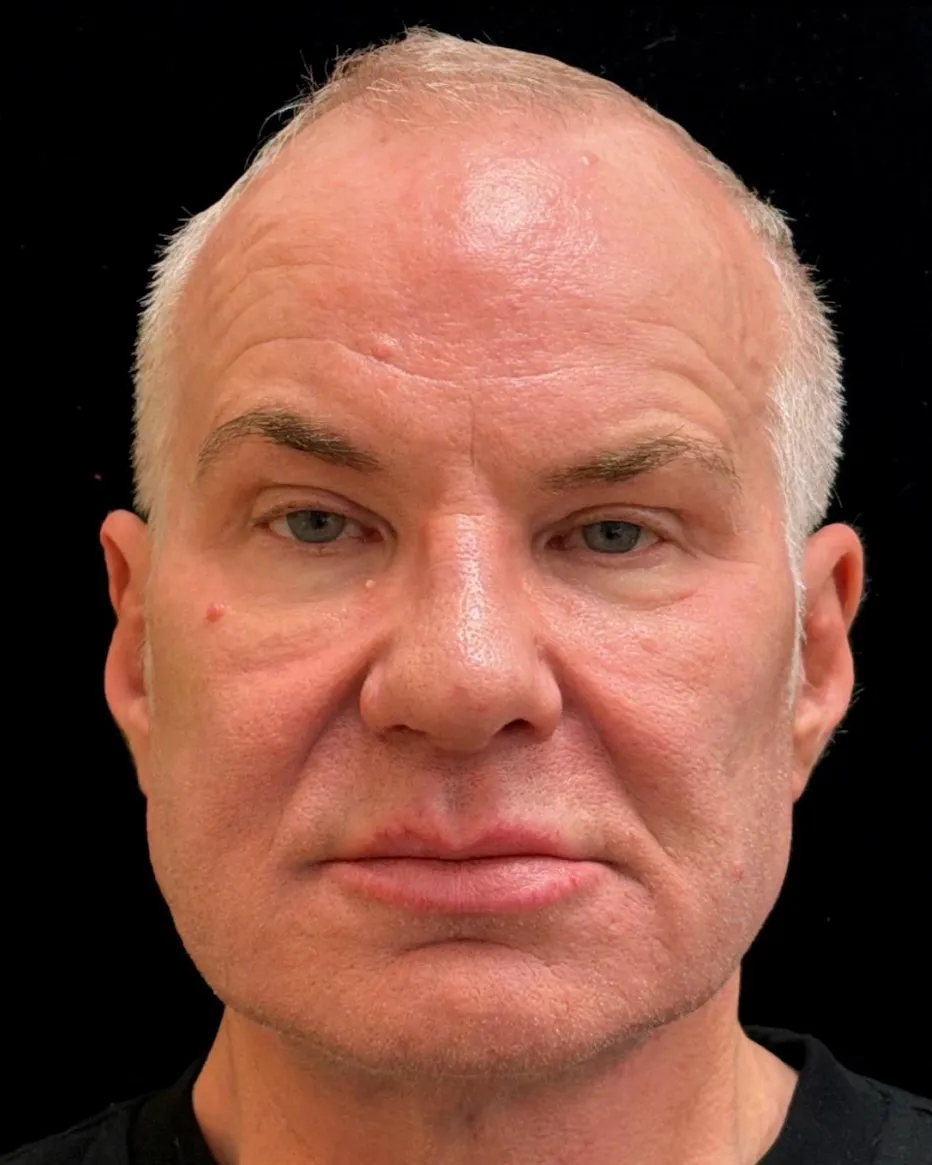
After Temples and upper face width
One syringe per side into the temples. Restoring width across the upper face is what makes the whole face appear fuller.
Temple filler, 1 syringe per side
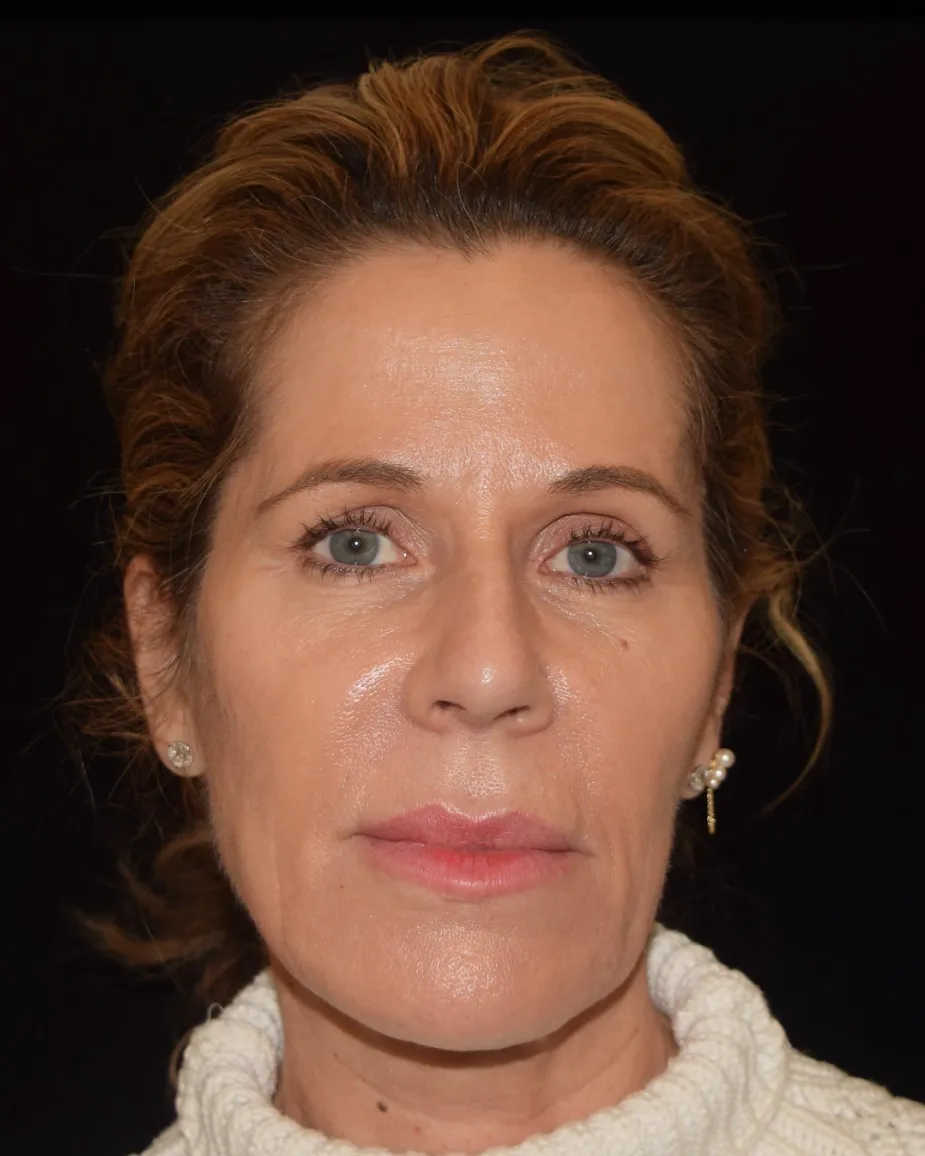
Before 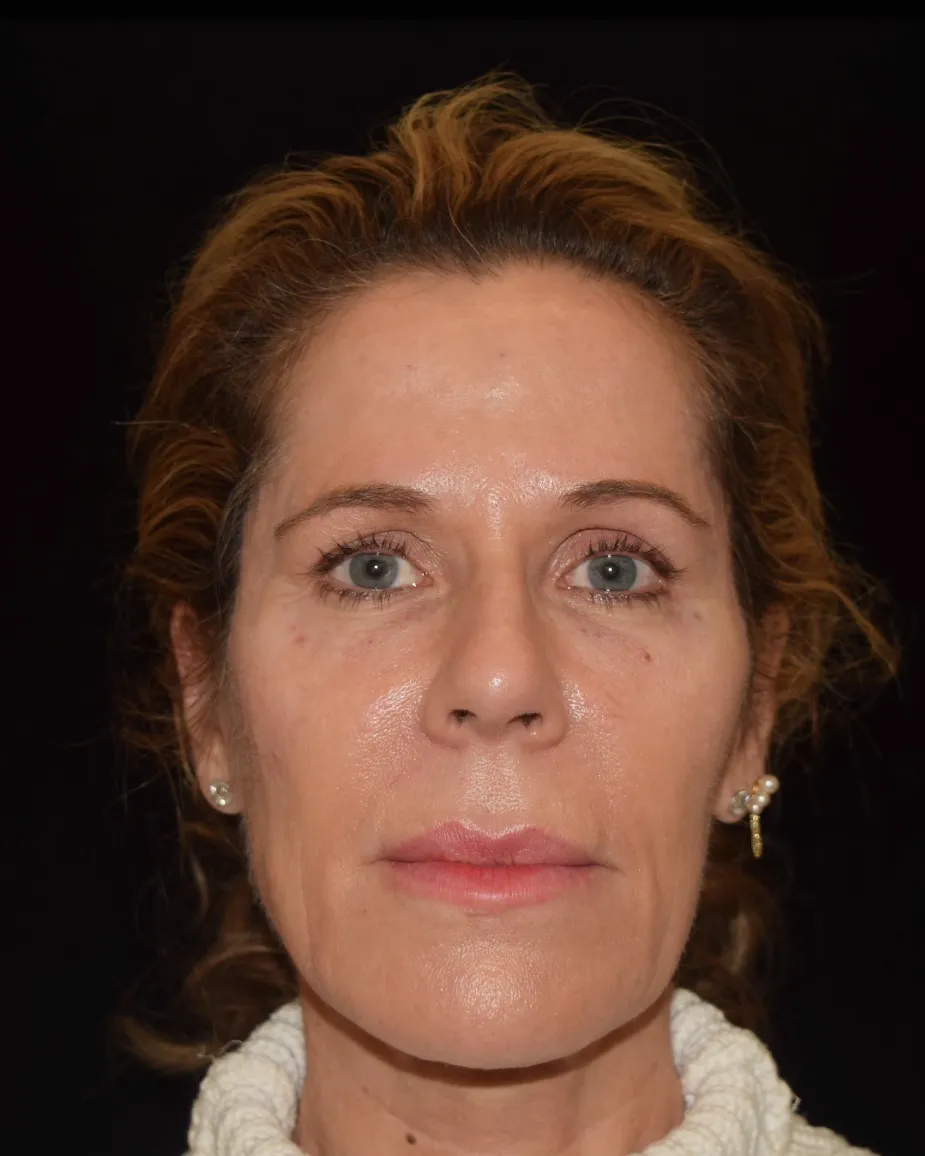
After Temples and midface
Filler at the temples restored the width the upper face had lost, which lifted how the midface looks underneath it.
Temple filler
Individual results vary.
What it is
In plain terms
As skin ages, it loses elasticity and the layer of fat immediately below it begins to diminish. That fat loss is not identical from person to person: one face flattens through the mid-face, while another keeps its cheek volume for longer. Existing skeletal structure matters too, because age-related volume loss can make naturally weaker cheekbones more noticeable.
Cheek filler can restore support along the mid-face, add contour over the cheekbone, or soften volume loss in the overlying soft tissue. A face that looks attractive has good balance and harmony, and well-placed cheek filler can restore that balance.
Who it's for
When it may fit
- Age or weight change has altered your mid-face volume
- Naturally flatter cheekbones would benefit from more structural support
- Laxity, pigment, or texture is part of the concern and you want a separate recommendation for it
- You want a plan designed by an experienced injector rather than chosen from a menu of areas
Common questions
Questions patients ask before booking
If you do not see your question answered here, our team will walk through every detail at your consultation.
Will cheek filler make me look puffy?
Puffiness usually comes from the wrong amount, area, or depth, not from the idea of cheek filler itself. We look for where support is missing, where there is already fullness, and whether skin laxity or surface change is the real issue. More filler is not always the answer.
How and where is cheek filler placed?
Placement depends on the anatomy. Filler may be placed deep on bone for structural support, or in the subcutaneous layer under the skin when softer contour is needed. The closer filler is to the skin, the more visible the surface change can be, but that plane also requires careful judgment because of vessels and the risk of lumps. In areas where the subcutaneous layer is appropriate, our injectors often use blunt cannulas and slow, small-volume placement to reduce risk.
How do you think about filler safety?
The main safety work happens before and during placement: choosing the right plane, understanding where vessels travel, avoiding known higher-risk points, using the right instrument for the depth, and placing small amounts slowly. Lower-eyelid filler is treated as a highly specialized area because the skin is thin and the anatomy is unforgiving, so it is assessed separately from routine cheek support.
How long does cheek filler last?
About twelve to twenty-four months, depending on the product and the amount placed. Maintenance is typically reviewed once a year.
Can cheek filler help the under-eye?
It can help indirectly when loss of cheek support is contributing to the lid-to-cheek transition. It does not treat every hollow, dark circle, under-eye bag, fluid issue, pigment concern, or skin-quality issue, so the lower eyelid is assessed on its own.
Is it reversible?
Yes, with hyaluronidase, the enzyme that dissolves hyaluronic acid filler.

Create your tailored aesthetic roadmap with a complimentary consultation from our nurse injectors
Or call us at (212) 520-1129