
Dermal Fillers / NYC
Restore volume. Refine proportion. Keep the features of your face
Patients usually seek filler for one of two reasons: to restore volume that has changed with age, or to improve facial balance that has always felt slightly off. We assess the face as a whole, considering how volume and contour, muscle movement, skin tone and texture, and laxity work together. That evaluation guides where filler belongs, how much is appropriate, and when another treatment may make more sense.

Dermal Fillers details
The essentials at a glance
A quick sense of fit, timing, and practical details before you decide whether to book a consultation.
Best forSunken cheeks, under-eye hollows, thinning lips, facial asymmetry, nasolabial folds, marionette lines, and jawline or chin definition.
Sunken cheeks, under-eye hollows, thinning lips, facial asymmetry, nasolabial folds, marionette lines, and jawline or chin definition.
Price rangeMost fillers: $800 to $1,200 per syringe Structural fillers: $1,000 to $1,500 per syringe (Firmer products used to rebuild contour) Juvederm Volux: $1,200 to $1,500 per syringe Sculptra: $800 to $1,000 per vial (Stimulates your own collagen over a series) Non-surgical nose refinement: $1,000 to $2,200 per syringe
Most fillers: $800 to $1,200 per syringe Structural fillers: $1,000 to $1,500 per syringe (Firmer products used to rebuild contour) Juvederm Volux: $1,200 to $1,500 per syringe Sculptra: $800 to $1,000 per vial (Stimulates your own collagen over a series) Non-surgical nose refinement: $1,000 to $2,200 per syringe
Prices are current as of October 29, 2026 and are subject to change. Where a range is shown, the cost depends on the provider you choose and the type of product used. Prices do not include additional treatments we may recommend as part of a multimodality plan. Your plan and its exact cost are confirmed at your consultation.
DowntimeDowntime is limited for most areas, though swelling or bruising can remain visible for several days. Patients are almost always able to resume daily activities immediately after treatment.
Downtime is limited for most areas, though swelling or bruising can remain visible for several days. Patients are almost always able to resume daily activities immediately after treatment.
Results timelineYou will usually see a change right away. The final result settles over two weeks as swelling subsides.
You will usually see a change right away. The final result settles over two weeks as swelling subsides.
Sessions neededIt depends on what your injector thinks you need. Some patients reach their result in one visit. For more involved facial balancing, such as building the jawline or cheeks, results are often built over several visits and several syringes.
It depends on what your injector thinks you need. Some patients reach their result in one visit. For more involved facial balancing, such as building the jawline or cheeks, results are often built over several visits and several syringes.
Results
Before and after
Representative patient results. Treatment details are noted where available.
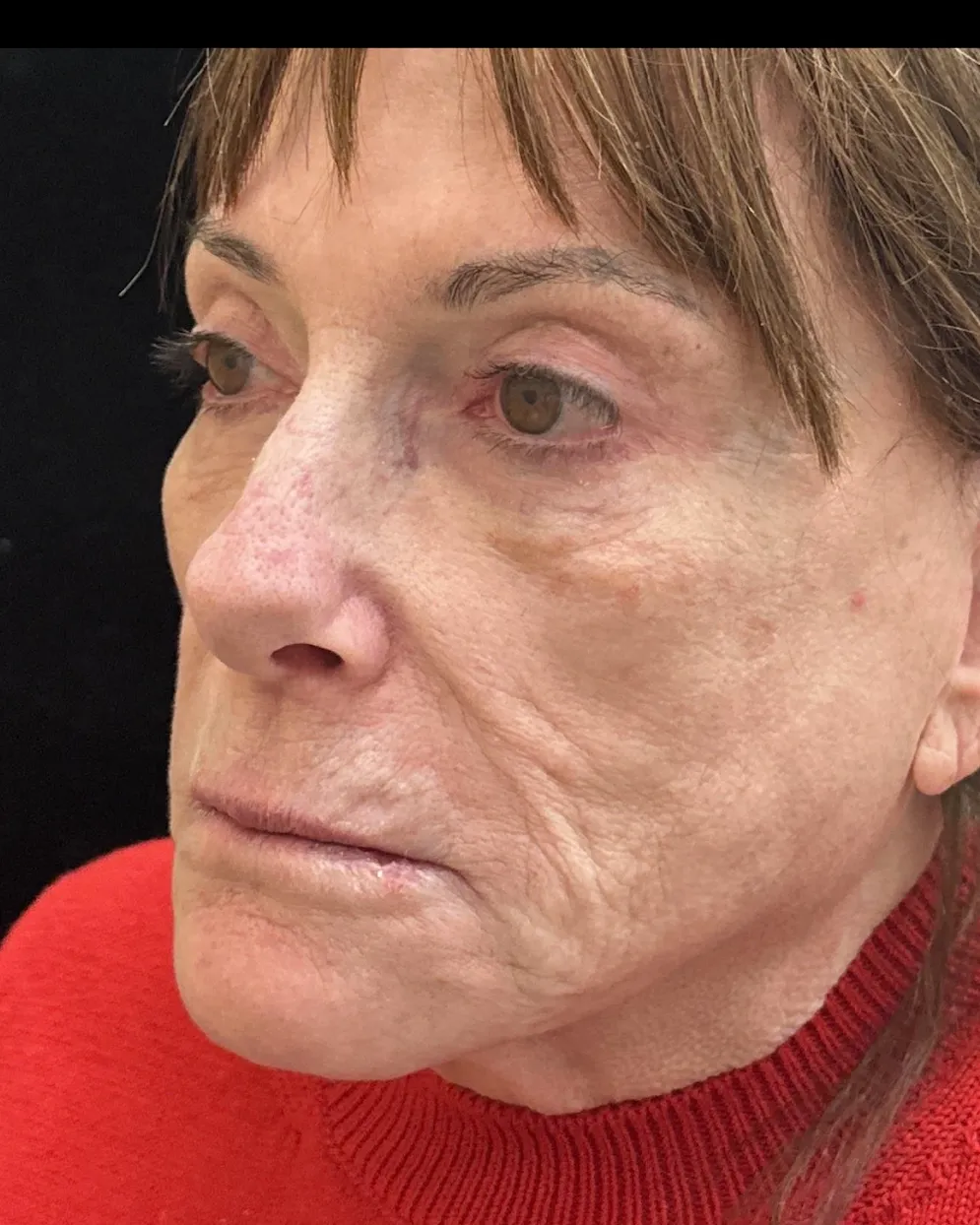
Before 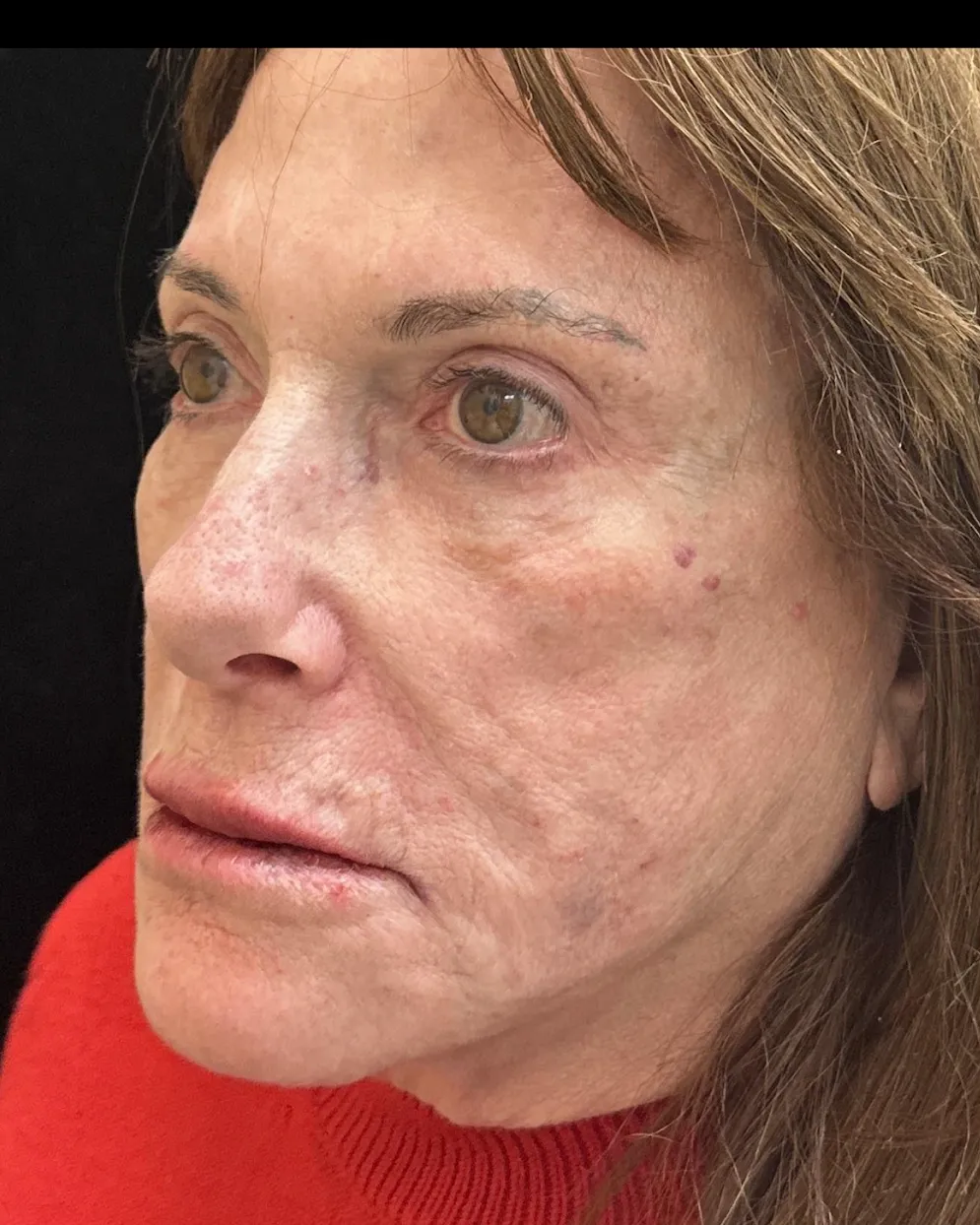
After Nasolabial folds
One syringe placed to support the cheek above the fold. The line softened because the tissue over it was held up, not because it was filled in directly.
Nasolabial fold filler, 1 syringe RHA 3
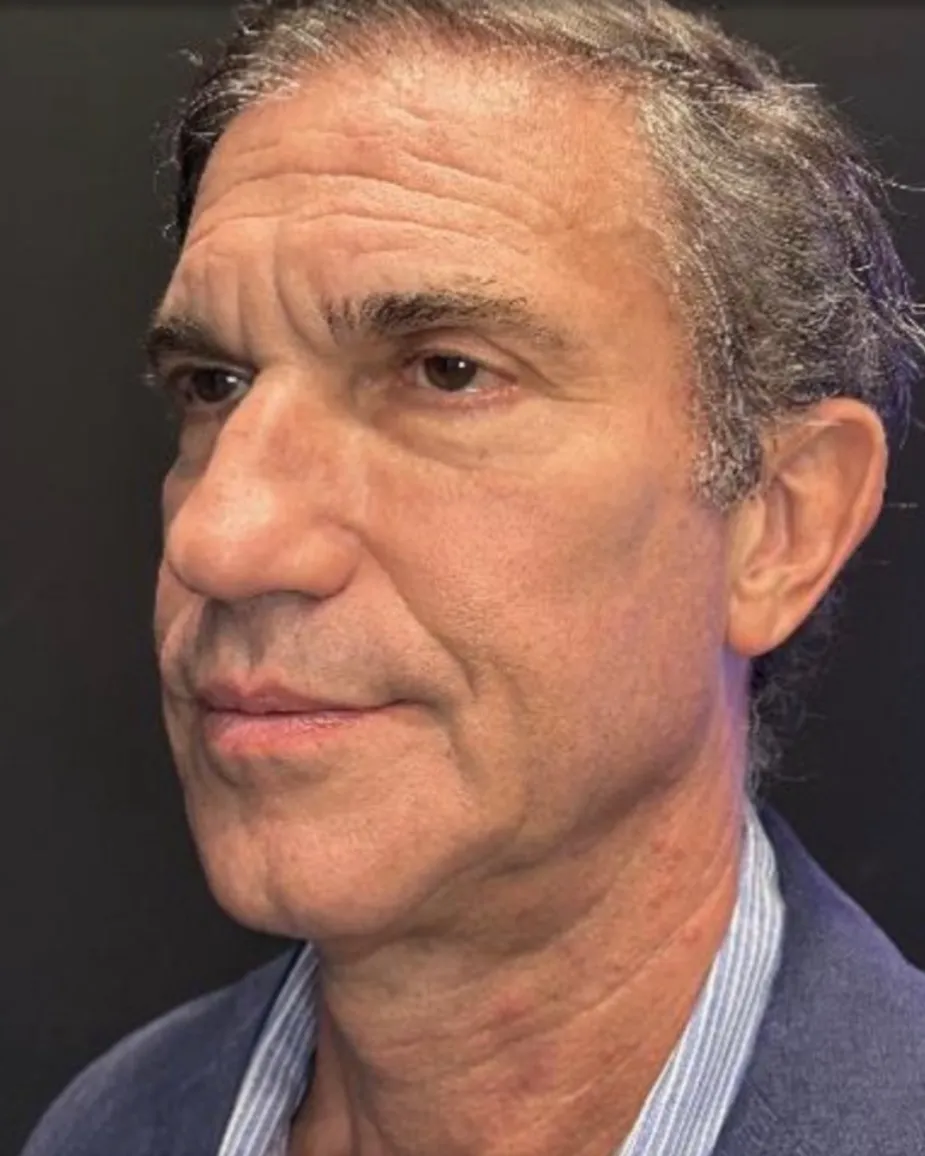
Before 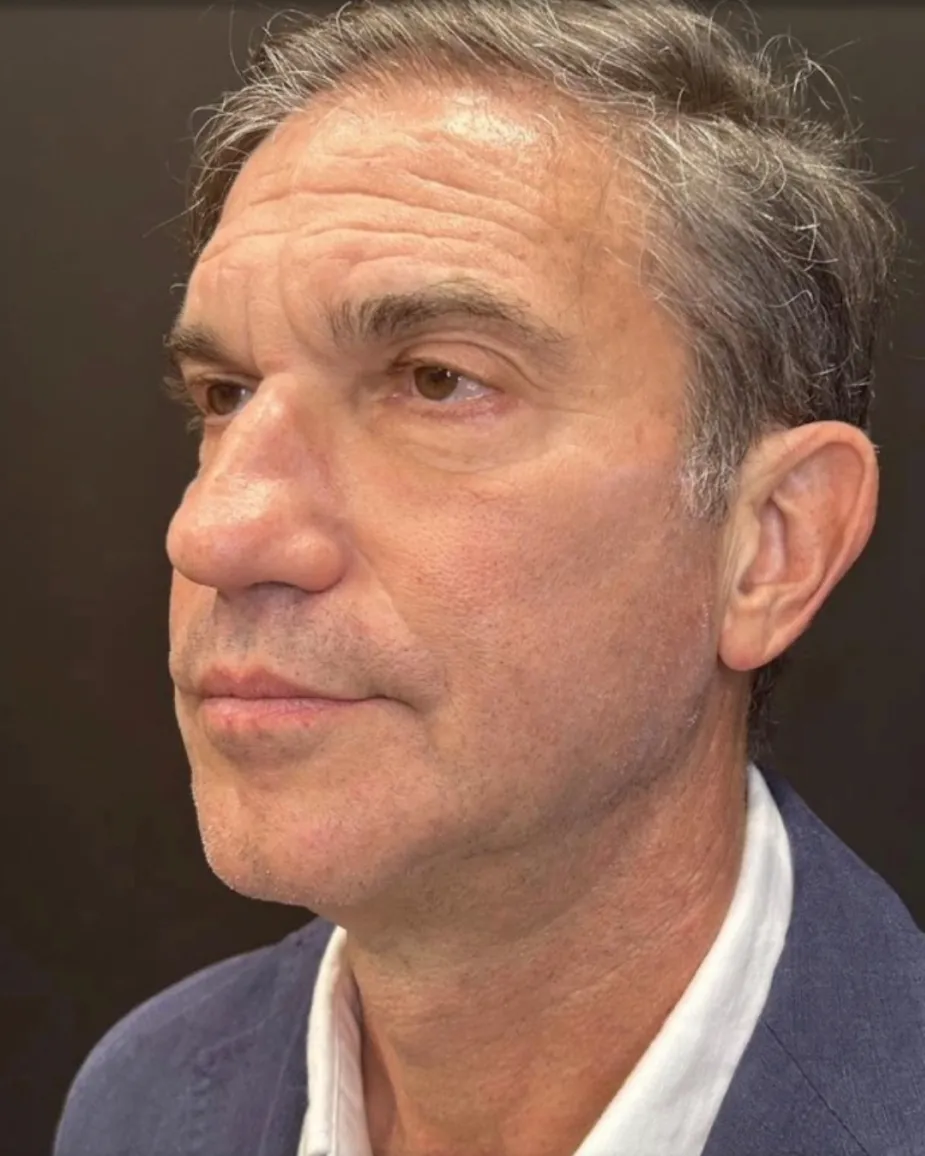
After Marionette lines and folds
Filler at the marionette corners and along the folds. The mouth no longer turns down when her face is at rest.
Marionette and nasolabial filler
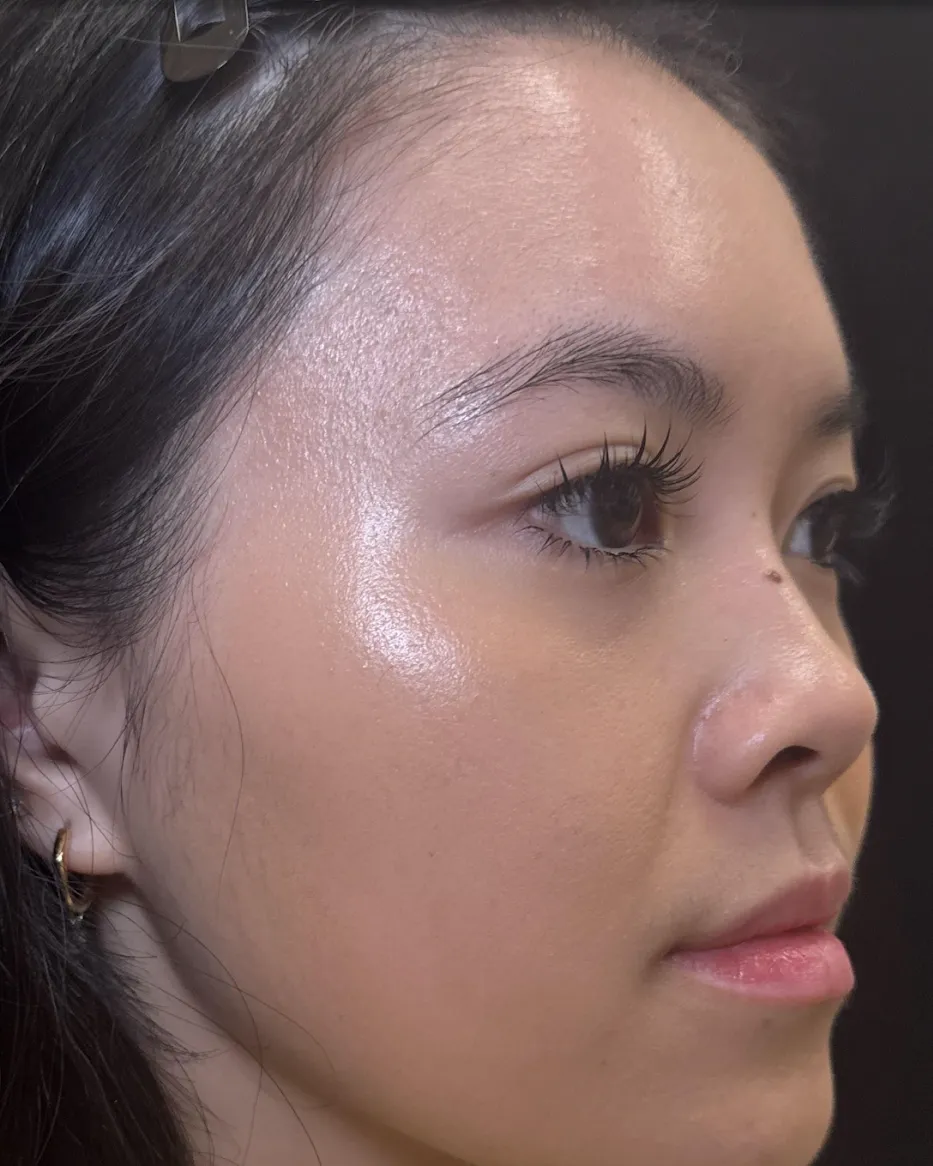
Before 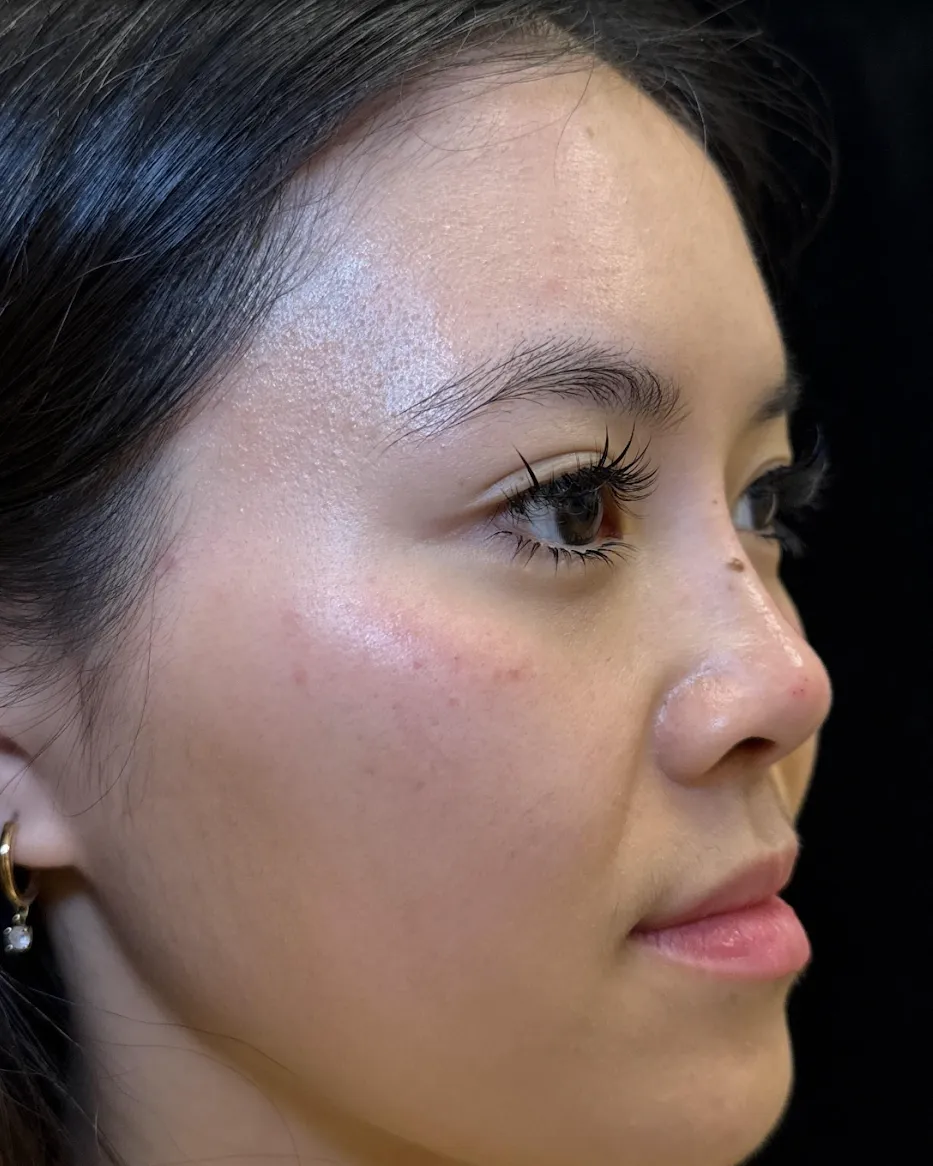
After Nose profile, non-surgical
Filler along the bridge and at the tip evened out the profile line. No surgery, and nothing about the rest of the face was touched.
Non-surgical nose refinement, 0.8 cc
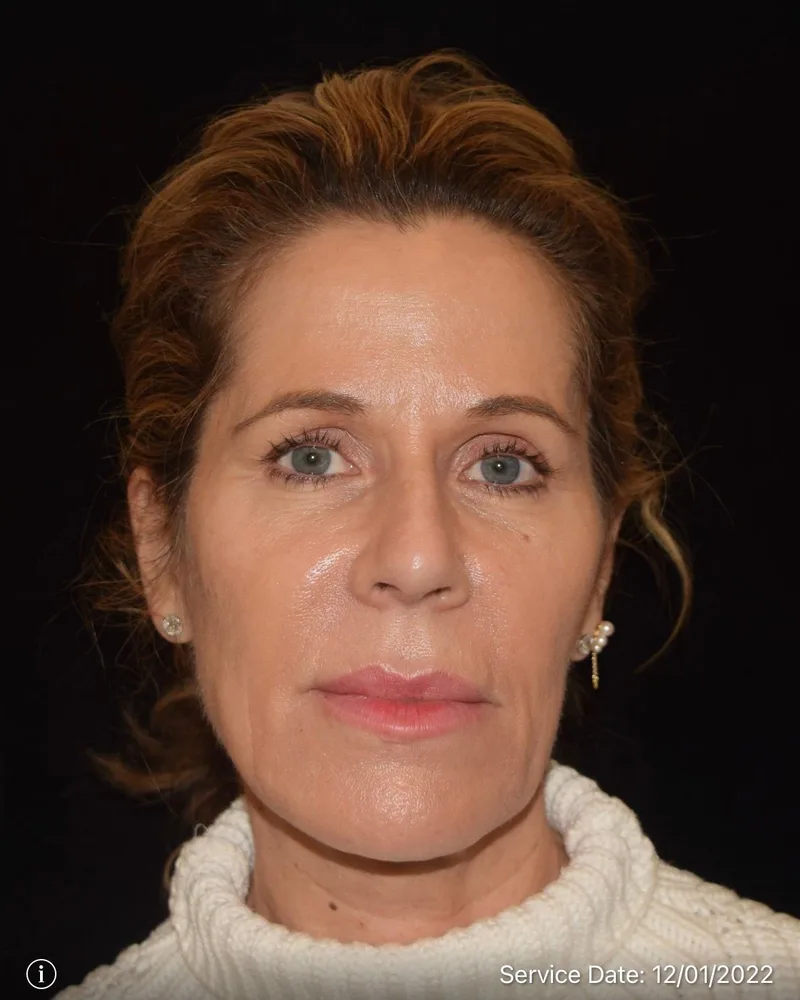
Before 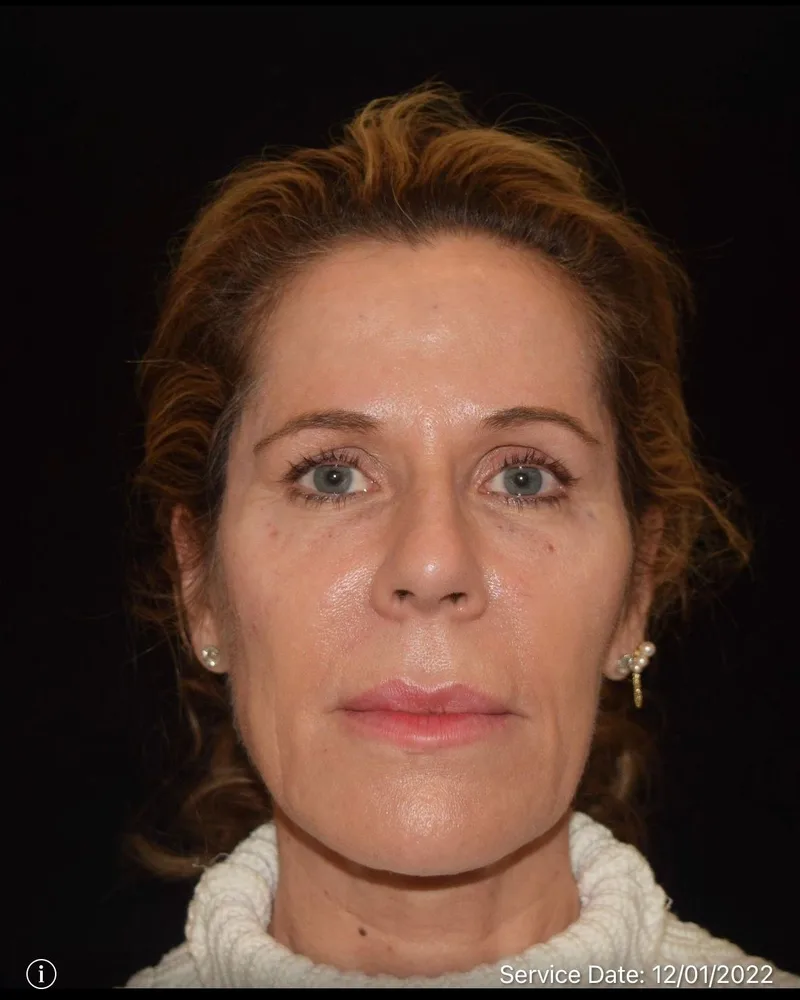
After Temple volume
A frontal view of temple filler before and after treatment.
Temple filler
Before 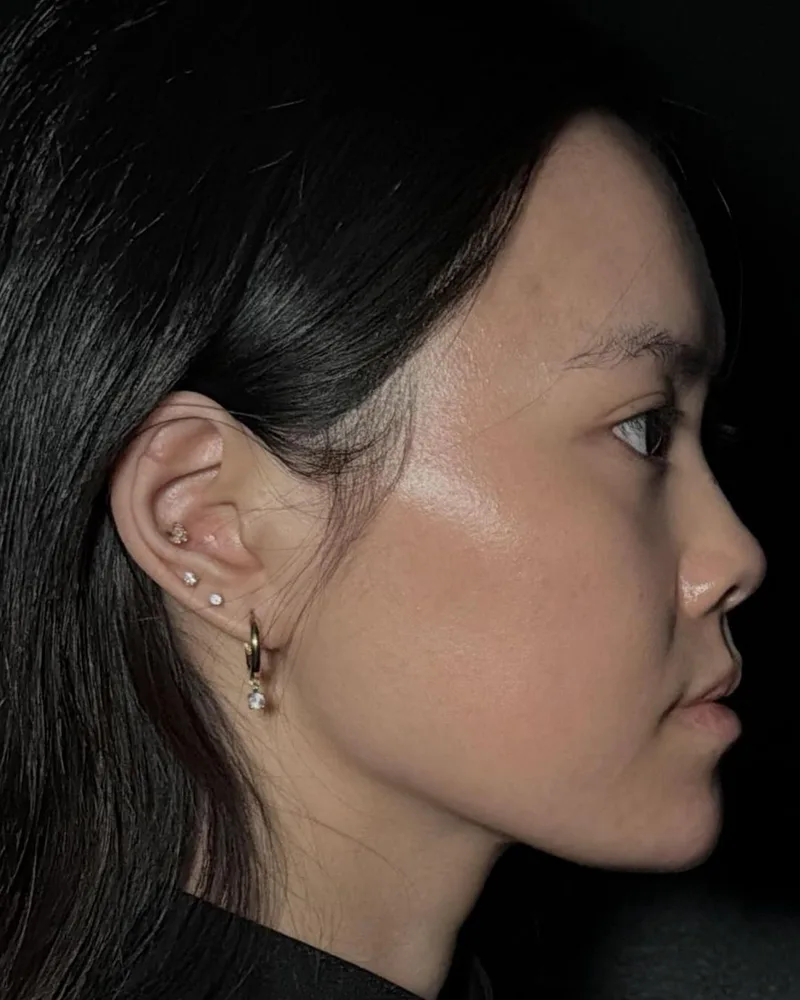
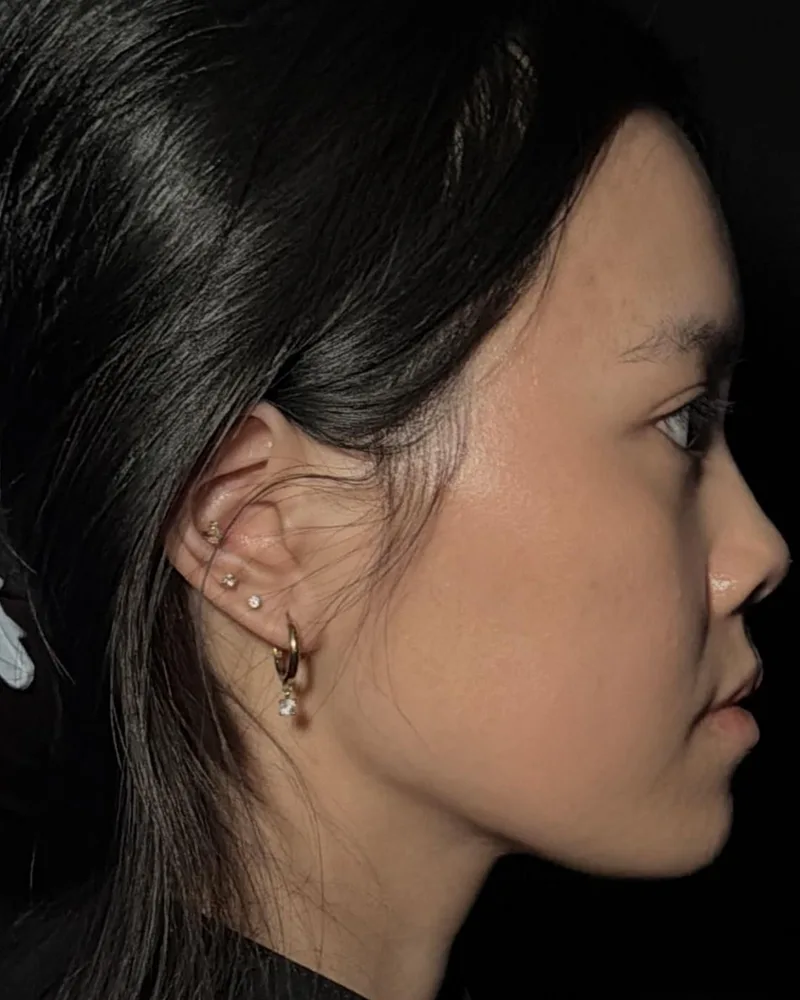
After Chin projection
Chin filler used to refine the profile.
1 cc Restylane Lyft
Before 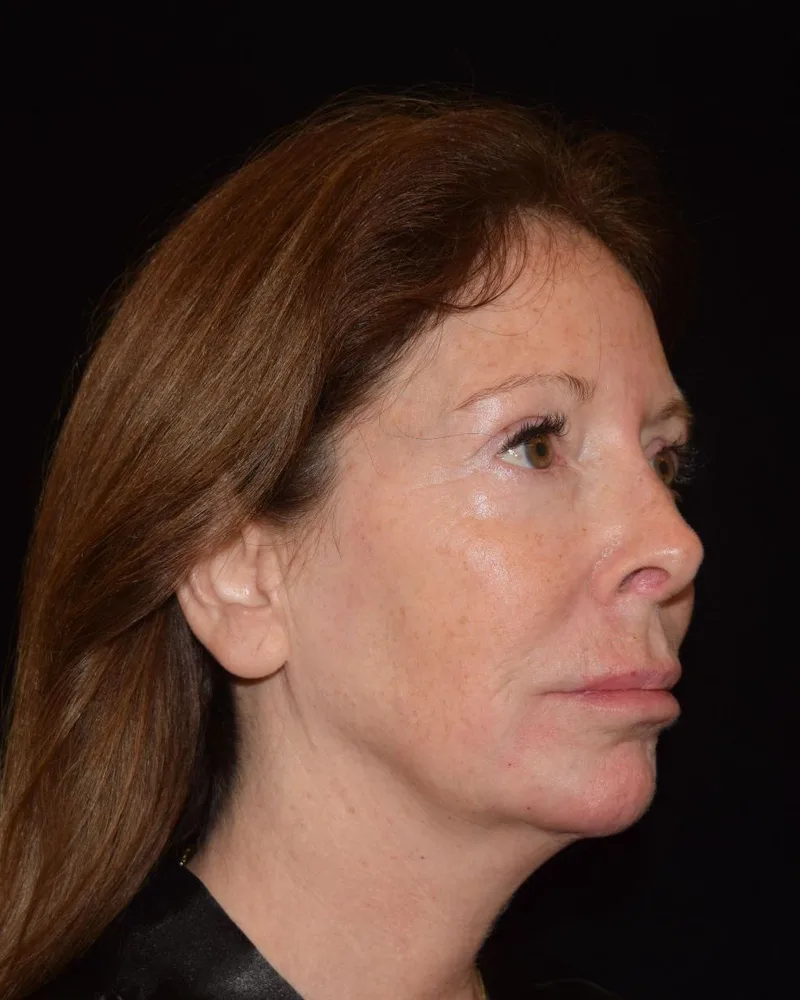
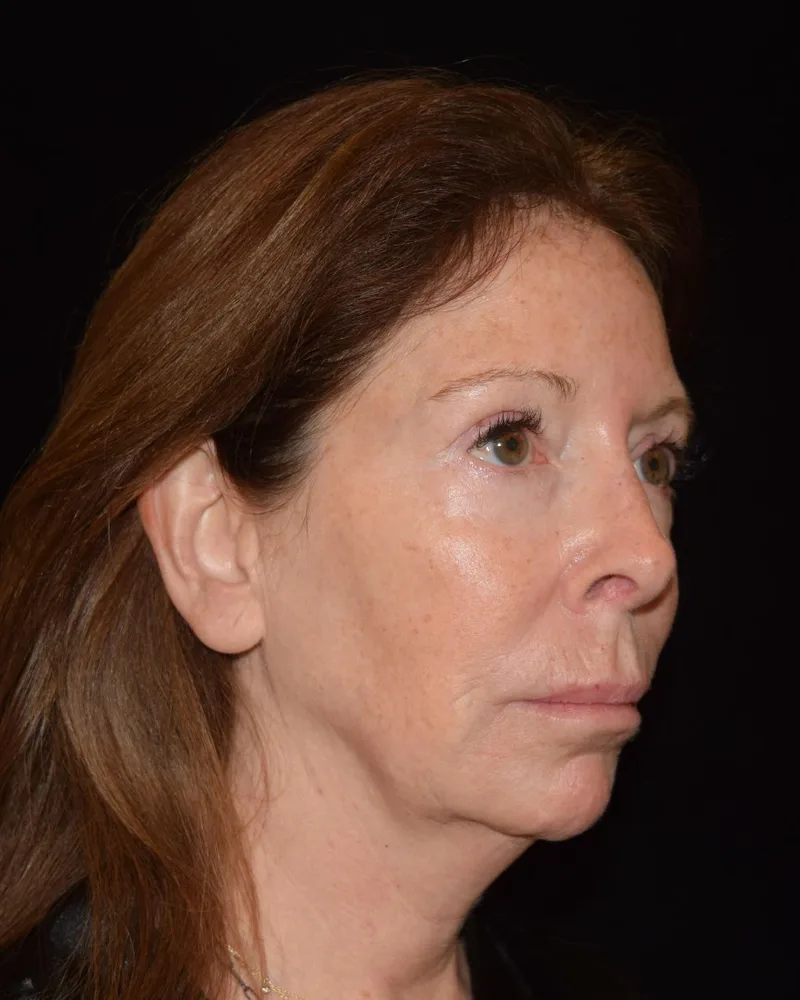
After Chin contour, three-quarter view
A three-quarter view before and after chin treatment.
3 syringes RHA 4 to the chin
Individual results vary.
What it is
In plain terms
Dermal filler is an injectable gel used to restore volume, support facial structure, and refine proportion. Most of the products we use are made with hyaluronic acid, a substance naturally present in the body and reversible with hyaluronidase.
The plan comes before the product: we first assess the area, depth, and level of support needed, then choose the filler that suits it.
Filler does not directly tighten loose skin, improve surface texture, or solve every line. When those concerns are present, another treatment may be more appropriate, either instead of filler or alongside it.
Who it's for
When it may fit
- You have lost volume in the cheeks, temples, jawline, lips, or under-eyes and want it restored.
- You are looking to balance or enhance the features you already have.
- You want an injector who explains why filler is, or is not, the right choice.
- You are open to treating more than one area when that creates a more coherent result.
The people behind your care
Surgeon-led care, from an experienced team
Aethos was founded by Dr. David Rapaport, a board-certified plastic surgeon with more than three decades in practice. Dermal filler is performed by our nurse injectors, who work within the practice's clinical protocols. Dr. Rapaport is available by special appointment.
Product choice follows the plan
Different fillers offer different levels of support, flexibility, and longevity. We choose the product after deciding what the area needs and what result is realistic.
Trade-offs are explained before treatment
We discuss expected benefits, downtime, limitations, and alternatives, including when filler is unlikely to address the concern.
More than three decades of surgical perspective
Dr. Rapaport's plastic-surgery experience informs the practice's understanding of anatomy, proportion, and when a nonsurgical treatment may not be enough.
The Aethos Team

Dr. David Rapaport
Founder & Medical Director

Brianna Vixama, MSN, FNP-C
Nurse injector
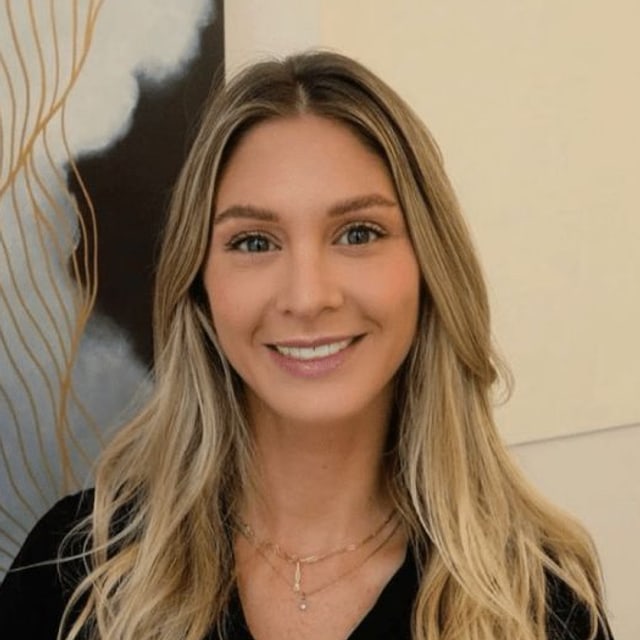
Jena Deleo, RN
Nurse injector

John McCollum, AGNP-C, CANS, CPSN
Nurse practitioner

Ewa Pietri
Lead medical aesthetician

Sandra Lakatos
Medical aesthetician

Natalie Geiger
Aesthetic consultant
In their words
Why patients trust Aethos with the moments that matter
A few of the things patients tell us.
My first time at Aethos was a great experience. Everyone was very welcoming and helpful. Jena did my filler and Botox. She was very patient and knowledgeable. She guided me through. She advised on how different fillers work and gave excellent recommendations. I love the results. Thanks Jena!
Suzanne A.
Google review
Common questions
Questions patients ask before booking
If you do not see your question answered here, our team will walk through every detail at your consultation.
Do you use needles or cannulas?
Both, depending on the area, depth, and goal. A fine needle can place filler precisely on bone for structural support. A blunt cannula may be used for broader or more superficial placement. We choose the instrument that is most appropriate for the planned treatment.
Which areas can be treated?
The most common areas are the cheeks, temples, jawline, chin, under-eyes, and lips.
Which fillers do you use?
Most of our fillers are hyaluronic acid products from the Juvederm (including Voluma, Volux and Volbella), Restylane (including Kysse, Lyft, Defyne, Contour and Eyelight), RHA and Belotero families. Your injector chooses the product for the area and the support it needs. We also offer Sculptra, which stimulates your own collagen over a series, and in selected cases Radiesse, a calcium hydroxylapatite filler that also stimulates collagen.
How long does filler last?
Longevity varies by area, product, dose, metabolism, and movement. Cheeks and jawline tend to last twelve to eighteen months, the under-eye around twelve months, and the lips six months to a year or longer. We give you a realistic range for your specific treatment.
Is filler reversible?
Hyaluronic acid filler can be dissolved with hyaluronidase. Radiesse is the exception: it is not a hyaluronic acid product and is not dissolved this way, which is why it is less commonly used in our practice.

Create your tailored aesthetic roadmap with a complimentary consultation from our nurse injectors
Or call us at (212) 520-1129