
Glacial Rx / NYC
Glacial Rx, for brighter, calmer skin without heat
Glacial Rx is a precisely controlled cooling treatment that brightens dull skin, calms redness and fades sun spots, with no numbing and little to no downtime. It treats the skin with cold instead of heat. That makes it a strong option for people who are prone to irritation, or to the dark marks that heat-based lasers can leave behind.
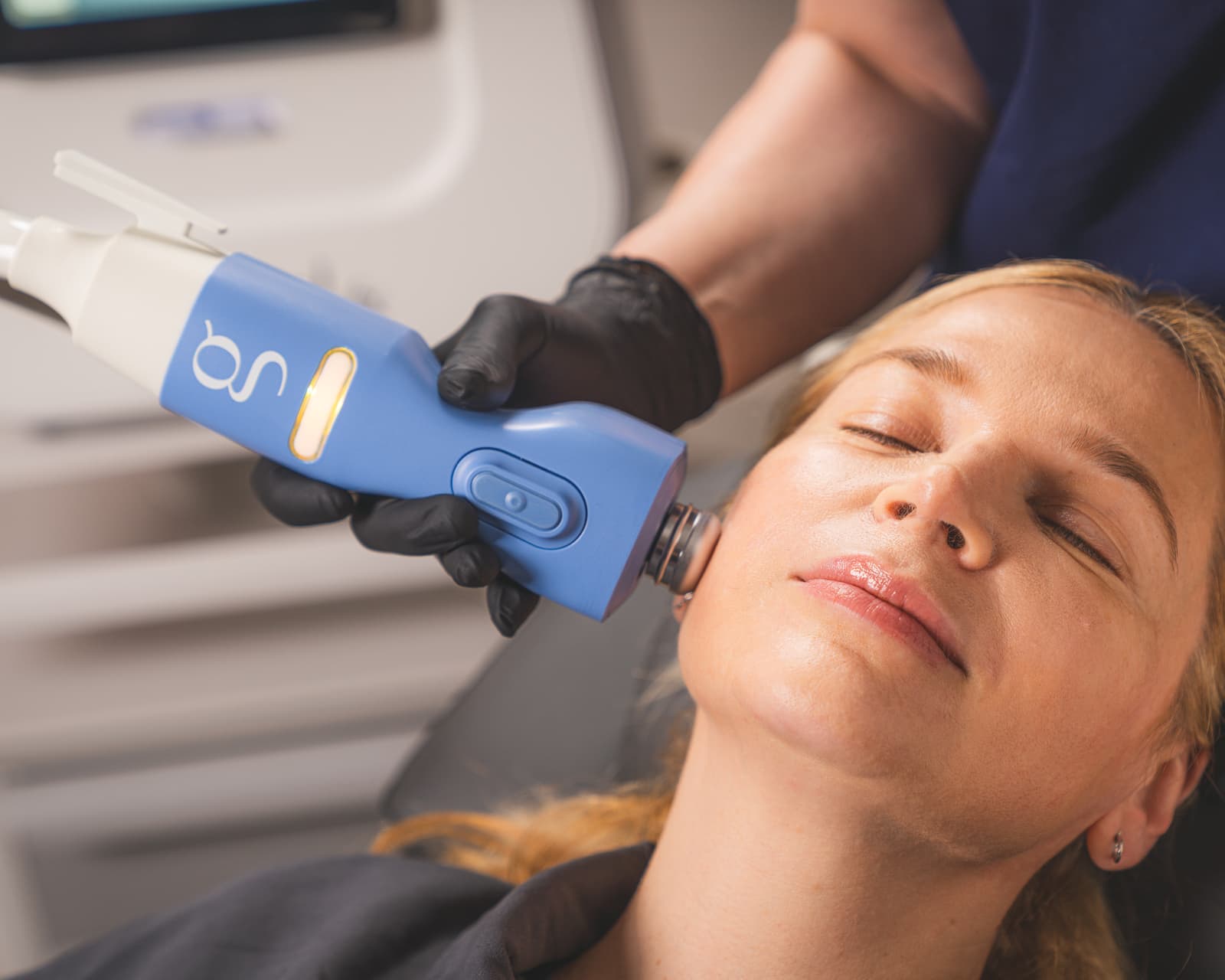
Glacial Rx details
The essentials at a glance
A quick sense of fit, timing, and practical details before you decide whether to book a consultation.
Best forDull skin, uneven tone, sun spots and age spots, redness and easily irritated skin, and calming the skin after a laser or other procedure.
Dull skin, uneven tone, sun spots and age spots, redness and easily irritated skin, and calming the skin after a laser or other procedure.
Price rangeGlacial Glide, on its own: $250 Glacial Glide, added to another treatment: $150 Glacial Gloss: $400 Spot treatment: $20
Glacial Glide, on its own: $250 Glacial Glide, added to another treatment: $150 Glacial Gloss: $400 Spot treatment: $20
Prices are current as of October 29, 2026 and are subject to change. Where a range is shown, the cost depends on the provider you choose or the extent of the area treated. Prices do not include additional treatments we may recommend as part of a multimodality plan. Your plan and its exact cost are confirmed at your consultation.
DowntimeNone after a cooling facial. After a spot treatment, spots may look darker or slightly crusted for one to two weeks before they flake away.
None after a cooling facial. After a spot treatment, spots may look darker or slightly crusted for one to two weeks before they flake away.
Results timelineOften brighter straight after a cooling facial. Treated spots flake away over one to two weeks.
Often brighter straight after a cooling facial. Treated spots flake away over one to two weeks.
Sessions neededPlanned with you, on its own or as part of a larger plan, such as after a laser treatment or ahead of an event.
Planned with you, on its own or as part of a larger plan, such as after a laser treatment or ahead of an event.
What it is
In plain terms
The technology, called cryomodulation, was developed at Massachusetts General Hospital's Wellman Center for Photomedicine. Its inventors include the scientists behind CoolSculpting and Fraxel.
The handpiece cools the skin to an exact, computer-controlled temperature. The cold briefly pauses the cells that produce pigment and quiets inflammation. It does this without damaging the skin's protective barrier, which lowers the risk of the post-inflammatory darkening sometimes seen after heat treatments.
Calming inflammation is a large part of what Glacial Rx does. It is FDA-cleared to temporarily reduce pain, swelling and inflammation, and after a laser or other procedure it can soothe heat, swelling and discomfort.
We use Glacial Rx in two ways. The full-face cooling facial is a gliding treatment, often paired with gentle exfoliation, for glow, even tone and calmer, less reactive skin. The targeted spot treatment is a focused freeze on individual sun spots and age spots.
Glacial Rx is not a cure for melasma, which is driven by hormones and heat, though it may help as part of a broader plan. It also does not tighten skin or treat deep wrinkles.
Who it's for
When it may fit
- You have dullness, uneven tone, sun spots or age spots
- You have redness, flushing or easily irritated skin
- You are recovering from a laser or other procedure and want to soothe heat, swelling and discomfort afterward
- Your skin tone is one that heat-based pigment treatments often don't suit
The people behind your care
Glacial Rx works especially well as part of a larger plan
For example, it can cool and calm the skin after a laser treatment, or fade spots ahead of an event. Our aestheticians build it into your regimen under physician oversight. That way each treatment supports the next instead of standing alone.
The first with cryomodulation
Glacial Rx was the first aesthetic device to use cryomodulation.
Multiple FDA clearances
It is a Class II medical device with multiple FDA clearances.
Precise temperature control
The handpiece cools the skin to an exact, computer-controlled temperature.
The Aethos Team
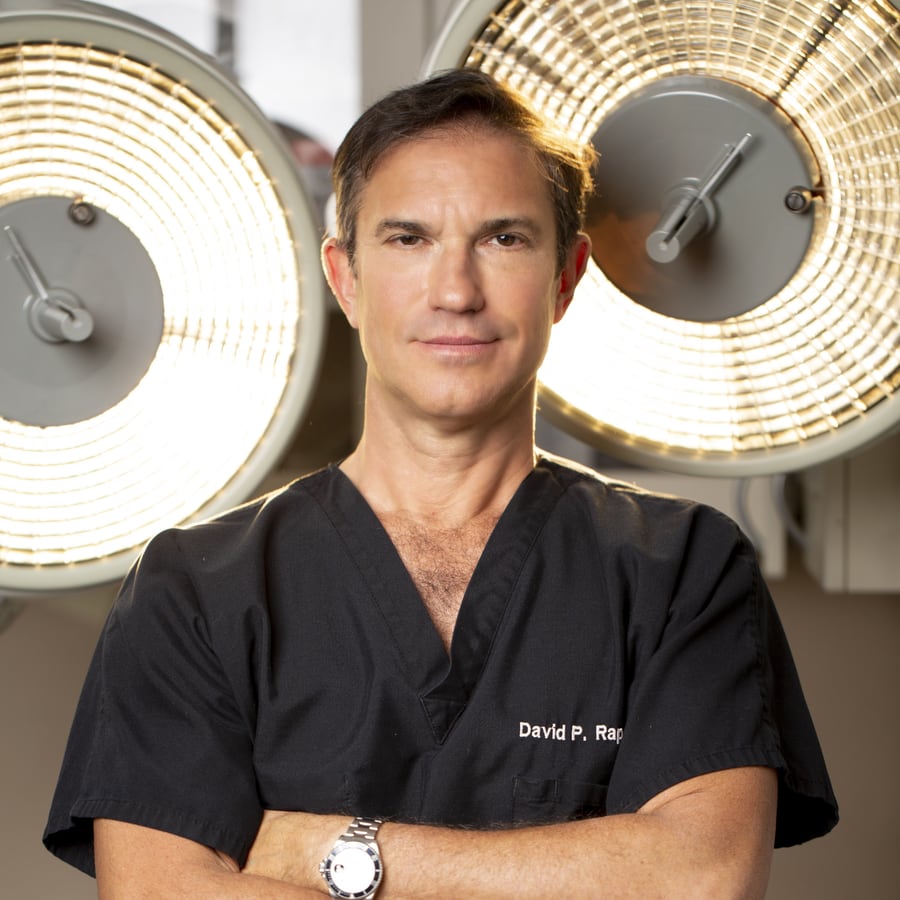
Dr. David Rapaport
Founder & Medical Director

Brianna Vixama, MSN, FNP-C
Nurse injector

Jena Deleo, RN
Nurse injector

John McCollum, AGNP-C, CANS, CPSN
Nurse practitioner

Ewa Pietri
Lead medical aesthetician

Sandra Lakatos
Medical aesthetician

Natalie Geiger
Aesthetic consultant
Common questions
Questions patients ask before booking
If you do not see your question answered here, our team will walk through every detail at your consultation.
How is it different from an ice facial?
The Glacial Rx handpiece cools the skin to an exact, computer-controlled temperature. That precise control is the difference between a spa "ice facial" and a medical treatment with measurable results.
What is Glacial Rx FDA-cleared for?
It is FDA-cleared to remove benign lesions and temporarily reduce pain, swelling and inflammation. It has also been cleared for general dermabrasion and scar revision.
Is there any downtime?
None after a cooling facial. You can go straight back to your day, often looking brighter. After a spot treatment, treated spots may look darker or slightly crusted for one to two weeks before they flake away. Daily SPF protects the result.
Can it help after a laser treatment?
Yes. Glacial Rx can soothe heat, swelling and discomfort after a laser or other procedure. Cooling and calming the skin after a laser is one of the ways we build it into a larger plan.
Does it treat melasma?
It is not a cure for melasma, which is driven by hormones and heat. It may help as part of a broader plan.
Will it suit my skin tone?
Glacial Rx suits most skin types, including tones that are often poorly suited to heat-based pigment treatments. It quiets pigment and inflammation without damaging the skin's protective barrier, which lowers the risk of the darkening sometimes seen after heat treatments.
Who shouldn't have Glacial Rx?
Anyone with a cold sensitivity disorder, such as cold urticaria, Raynaud's or cryoglobulinemia.
What does it cost?
It depends on whether you book it on its own or add it to another treatment, and whether you have the Glide or the Gloss. See the price list for current figures.

Create your tailored aesthetic roadmap with our complimentary consultation
Or call us at (212) 520-1129