
Hormone Replacement Therapy / NYC
When symptoms indicate it may be time to consider hormone replacement therapy (HRT)
Hot flashes, restless nights, and shifts in mood or desire can make everyday life feel harder than it should. Hormone therapy is the most effective treatment available for hot flashes and night sweats, and for those with clinically low testosterone, it can help relieve specific symptoms. At Aethos, every plan begins with a wellness consultation and a thorough review of your health, so your treatment fits where you are today and evolves as your needs change.

Hormone Replacement Therapy details
The essentials at a glance
A quick sense of fit, timing, and practical details before you decide whether to book a consultation.
Best forAdults of any gender with hormone-related symptoms.
Adults of any gender with hormone-related symptoms.
Price rangeThe cost of your plan, including any medication and shipping, is confirmed at your wellness consultation.
The cost of your plan, including any medication and shipping, is confirmed at your wellness consultation.
*Prescriptions are filled by our compounding pharmacy and shipped directly to your home.
DowntimeHormone therapy is a prescription medicine, not a procedure. Any medication side effects are discussed in great detail.
Hormone therapy is a prescription medicine, not a procedure. Any medication side effects are discussed in great detail.
Results timelineThere is no single timeline. It depends on the symptom, the hormone, the dose, the form, and how you respond, which is why follow-up visits are part of the plan.
There is no single timeline. It depends on the symptom, the hormone, the dose, the form, and how you respond, which is why follow-up visits are part of the plan.
Sessions neededA wellness consultation, with labs drawn here in the office, then a follow-up visit every three to six months for as long as you continue therapy.
A wellness consultation, with labs drawn here in the office, then a follow-up visit every three to six months for as long as you continue therapy.
What it is
Understanding hormone replacement therapy
Hormone replacement therapy (HRT), also called hormone therapy, uses prescription medicine to replace hormones your body makes less of over time. Women and men both go through hormone changes with age. For women, estrogen and progesterone drop in the years around menopause. For men, testosterone declines more gradually, and for some it drops low enough to cause symptoms.
The hormones we prescribe are bioidentical, meaning they are chemically the same as the ones your body makes. They come as creams, patches, pills, or injections. The right form depends on the hormone, your treatment goals, and what fits your life. Every plan starts with your symptoms, your health history, and lab work. For some patients, a different treatment is a better fit.
Who it's for
When it may fit
- Menopause symptoms are affecting your life. Hot flashes, poor sleep, mood changes, or brain fog during perimenopause or menopause.
- You suspect low testosterone. Low energy, reduced drive, or changes in strength or mood, and you want testing to find out.
- You went through menopause early. Whether naturally or after surgery, early hormone loss deserves a thoughtful plan.
- You're focused on healthy aging. Hormone care can be one part of a broader wellness and longevity plan.
- You want a personalized approach. Your benefits and risks reviewed with lab work and ongoing follow-up, whether you're starting or already on therapy.
Hormone therapy for women
Perimenopause and menopause
In the years leading up to menopause, the ovaries gradually make less estrogen and progesterone. This transition, called perimenopause, often begins in your 40s, and symptoms can start well before your periods stop.
Symptoms that may mean it is time to talk about hormone therapy:
- Hot flashes or night sweats
- Poor sleep
- Changes in mood
- Vaginal dryness, or discomfort during sex
- Lower sex drive
- Menopause that came early, or after surgery
Hormone therapy for men
Low testosterone
Testosterone falls slowly with age, and for some men it drops low enough to cause symptoms. Testosterone therapy is considered only when those symptoms match low levels on at least two early-morning blood tests, which we draw here in the office. Before anything is prescribed, we talk through fertility, prostate health, and heart health.
Symptoms that may mean it is time to get tested:
- Low sex drive
- Erectile changes
- Ongoing tiredness or low energy
- Less muscle and strength, or more fat around the middle
- Low mood
Hormones and your body
The systemic effects of hormone decline
Hormonal changes affect more than vasomotor symptoms and libido. During perimenopause and menopause, declining estrogen levels are associated with a shift in fat distribution toward the abdomen, including increased visceral fat. Estrogen loss also reduces dermal collagen, which contributes to thinner, drier skin with decreased elasticity. In men, low testosterone (hypogonadism) is associated with increased abdominal adiposity and reduced lean muscle mass.
Hormones and healthy aging
An integrated approach to healthy aging
When clinically appropriate, hormone replacement therapy is one component of a comprehensive, individualized treatment plan. Depending on your goals and health profile, it may be combined with complementary therapies such as peptide therapy, medically supervised weight management, and skin rejuvenation treatments. Your nurse practitioner evaluates your symptoms, medical history, and laboratory results at your initial consultation, and reassesses your plan at each follow-up visit.
The people behind your care
How we approach hormone therapy
Hormone therapy is an ongoing medical relationship, not a one-time prescription. Our board-certified nurse practitioners, trained in comprehensive primary care, prescribe and closely monitor your treatment. They review your symptoms, health history, and lab work, build a personalized plan, and adjust it as your needs change over time. John McCollum, AGNP-C, CANS, CPSN, is a board-certified adult-gerontology nurse practitioner and healthy aging expert. His certification centers on adult and older patients, where hormone therapy is a focus. Brianna Vixama, MSN, FNP-C, is a board-certified family nurse practitioner and lead longevity provider. She specializes in hormone replacement therapy and peptide-based longevity care. She holds advanced training in peptide therapy and is completing advanced certification in hormone replacement therapy. If hormone therapy is not the safest or most useful option for you, we say so and talk through the alternatives.
A comprehensive medical history first
Symptoms, medications, prior treatment, and personal and family history of cancer, blood clots, and heart disease.
Labs drawn in the office
We draw your lab work in our office, including the repeat early-morning testosterone tests required before starting any testosterone therapy.
Follow-up every three to six months
While you're on therapy, you'll see your provider every three to six months to review your symptoms, side effects, and lab results. Your plan can then be adjusted, whether that means changing the dose, switching the form of hormone, or pausing treatment if it's no longer the right fit.
The Aethos Team
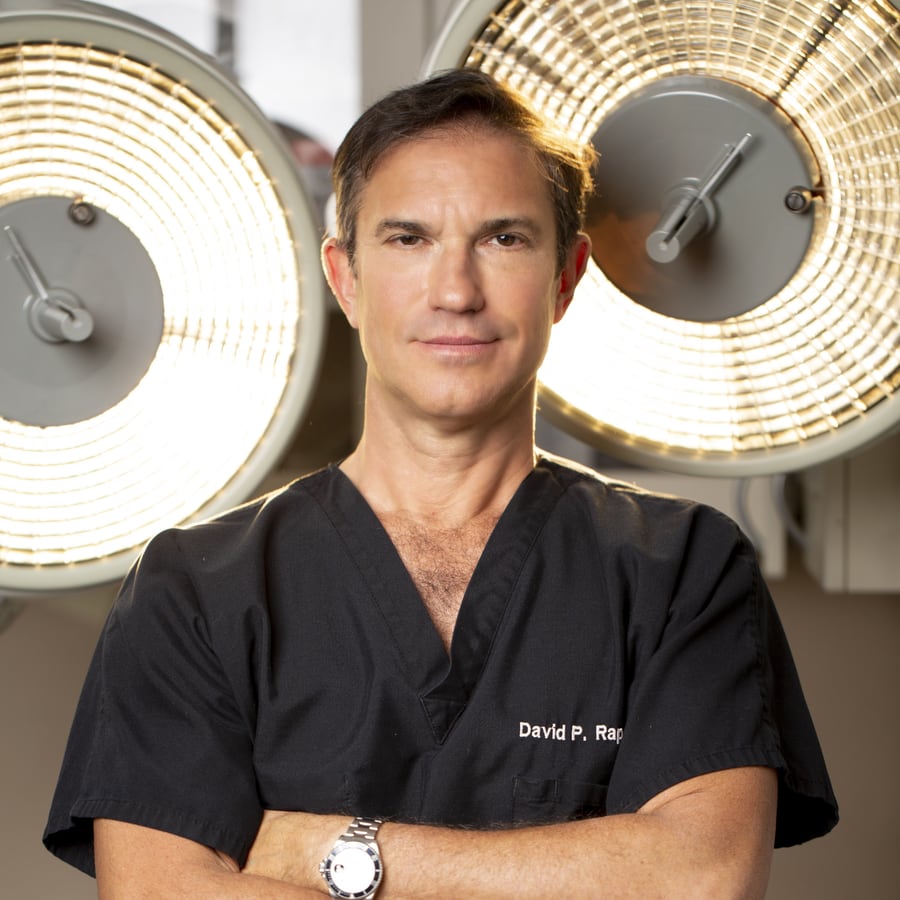
Dr. David Rapaport
Founder & Medical Director

Brianna Vixama, MSN, FNP-C
Nurse injector

Jena Deleo, RN
Nurse injector

John McCollum, AGNP-C, CANS, CPSN
Nurse practitioner

Ewa Pietri
Lead medical aesthetician

Sandra Lakatos
Medical aesthetician

Natalie Geiger
Aesthetic consultant
Common questions
Questions patients ask before booking
If you do not see your question answered here, our team will walk through every detail at your consultation.
What can hormone therapy help with?
For menopause, hormone therapy is the most effective treatment for hot flashes and night sweats. It also treats vaginal dryness and discomfort and helps prevent bone loss, and better sleep often follows when night sweats ease. When testosterone is confirmed low, therapy may improve sex drive, erectile function, and bone density.
Is hormone therapy only for menopause?
No. It is best known for menopause symptoms, and it is also used when testosterone is low. We treat patients of every gender, including nonbinary and trans patients, and base each plan on current evidence and your own health concerns.
Is hormone therapy an anti-aging treatment?
Hormone therapy is a functional adjunct to cosmetic anti-aging procedures, meaning it works alongside them. Optimized hormone levels help complement rejuvenation treatments. For example, estrogen can help redensify tissue, and more energy can make it easier to stay consistent with your daily wellness routine.
What can it not do?
Hormone therapy is not used to prevent heart disease or dementia. Testosterone is not a treatment for tiredness when levels are normal. It can also lower sperm production, so it is not a fit while you are trying to conceive.
Who prescribes and monitors my hormone therapy?
Board-certified nurse practitioners trained in the primary care of adults. Hormone care is increasingly recognized as part of healthy aging, so it no longer sits with endocrinologists alone. Our nurse practitioners take your history, draw your labs in the office, write your prescription, and review your progress at each follow-up.
Is hormone therapy safe?
For most healthy patients under 60, or within 10 years of their last period, current guidance from menopause specialists is that the benefits of treating bothersome menopause symptoms generally outweigh the risks. Risks depend on your age, the time since menopause, your health history, the hormone, the dose, and the form. They can include blood clots, stroke, gallbladder disease, and, with longer use of combined estrogen and progestogen, a small increase in breast cancer risk. Testosterone can raise blood pressure and red blood cell counts. We go through what applies to you before you decide.
Who should not take hormone therapy?
Estrogen therapy is generally not recommended after breast or uterine cancer, or with unexplained vaginal bleeding, a history of blood clots, stroke, or heart attack, active liver disease, or a possible pregnancy. Testosterone is generally not recommended if you are planning a pregnancy soon, or if you have breast or prostate cancer, a high red blood cell count, untreated severe sleep apnea, uncontrolled heart failure, or a heart attack or stroke in the past six months. Your full history is reviewed before anything is prescribed.
Do I need blood tests?
Most patients do, and your wellness consultation includes them. Our providers draw your blood here in the office, so there is no separate trip to a lab. Testosterone therapy needs low levels on at least two early-morning tests, alongside symptoms. For menopause after 45, the diagnosis usually rests on symptoms and menstrual history, and labs help rule out other causes and guide monitoring.
Are the hormones bioidentical?
Yes. The hormones we prescribe for HRT are bioidentical, which means chemically the same as the hormones your body makes, such as estradiol, progesterone, and testosterone. They come as creams, patches, pills, or injections. The right form depends on the hormone, the goal of treatment, and your preference, and it can change at follow-up if another form suits you better.
How long will I stay on it?
There is no fixed limit. How long you continue depends on your symptoms, your goals, and your health as it changes. We review the plan at each follow-up, and any change, including stopping, is planned with your nurse practitioner. Regular screenings, such as mammograms or prostate checks, continue while you are on therapy.
What does it cost?
It depends on your plan. The cost, including any medication and shipping, is confirmed at your wellness consultation. Your prescription is filled by our compounding pharmacy and shipped directly to your home.

Create your tailored aesthetic roadmap with our complimentary consultation
Or call us at (212) 520-1129