
Under-Eye / Tear Trough Fillers / NYC
Tear-trough hollows, subtly lifted with precision
Dr. David Rapaport, Aethos Medical Director and a board-certified plastic surgeon with more than three decades of experience, guides the care standard for this area. Our nurse-injector team has focused experience with lower-eyelid anatomy and filler. When a true hollow is causing a tired-looking shadow, a small amount of hyaluronic acid filler may soften the dip and improve the transition between the lower lid and cheek.

Under-Eye / Tear Trough Fillers details
The practical details, before you book
A quick sense of fit, timing, and practical details before you decide whether to book a consultation.
Best forA true tear-trough hollow or lid-to-cheek depression that creates a tired-looking shadow
A true tear-trough hollow or lid-to-cheek depression that creates a tired-looking shadow
Price rangeUnder-eye filler: $900 to $2,000 per syringe
Under-eye filler: $900 to $2,000 per syringe
Prices are current as of October 29, 2026 and are subject to change. Where a range is shown, the cost depends on the provider you choose and the type of product used. Prices do not include additional treatments we may recommend as part of a multimodality plan. Your plan and its exact cost are confirmed at your consultation.
DowntimeMild swelling or bruising may occur. Bruising is often minimal and resolves within about 24 hours, though a visible bruise can last several days.
Mild swelling or bruising may occur. Bruising is often minimal and resolves within about 24 hours, though a visible bruise can last several days.
Results timelineWhile there is an immediate effect, it typically takes two weeks for results to fully settle.
While there is an immediate effect, it typically takes two weeks for results to fully settle.
Sessions neededUsually one visit, with results reviewed and maintenance considered around 9 to 12 months, depending on the patient and product.
Usually one visit, with results reviewed and maintenance considered around 9 to 12 months, depending on the patient and product.
Results
Before and after
Before-and-after photographs show individual outcomes; appearance, treatment plan, and response vary by patient.
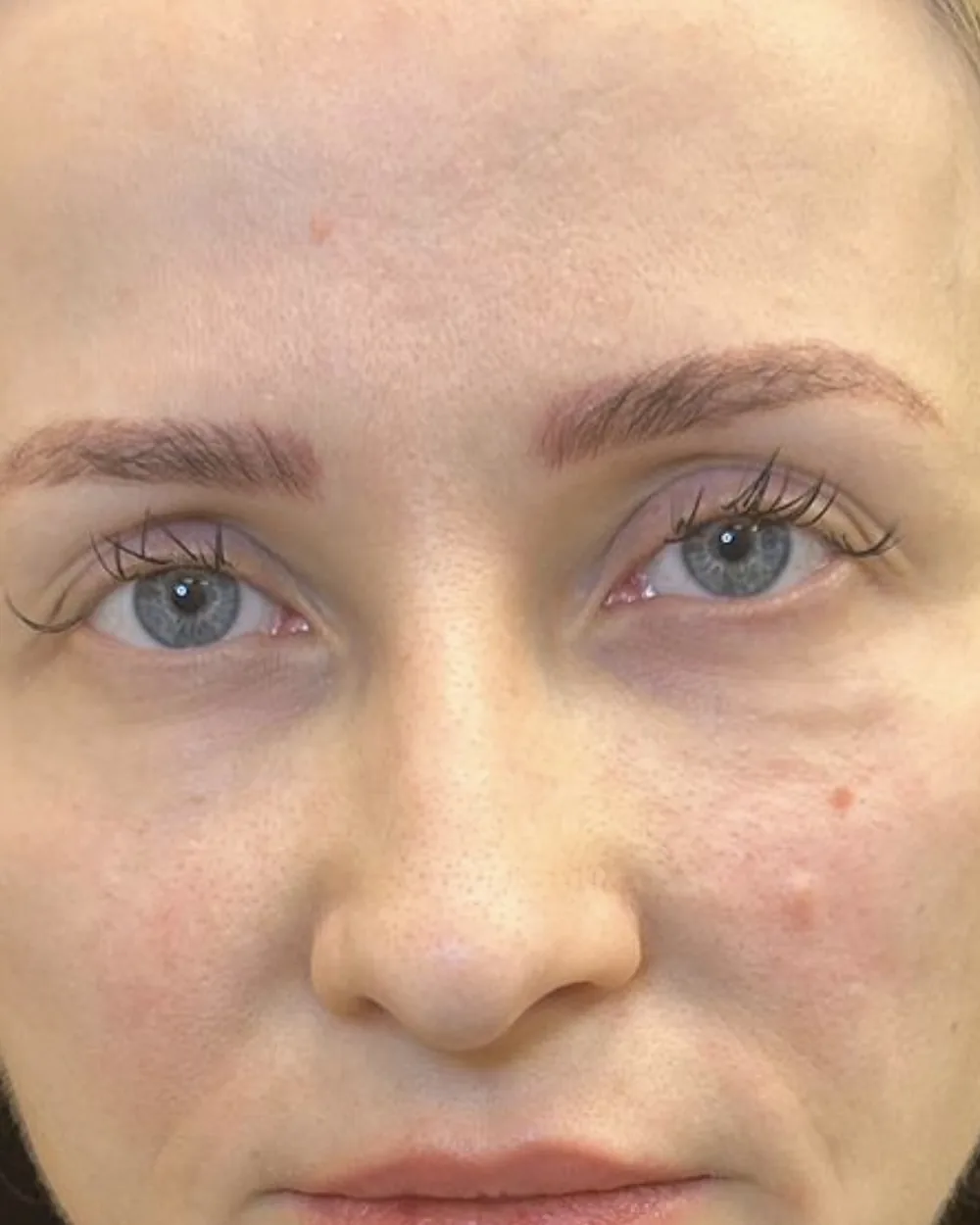
Before 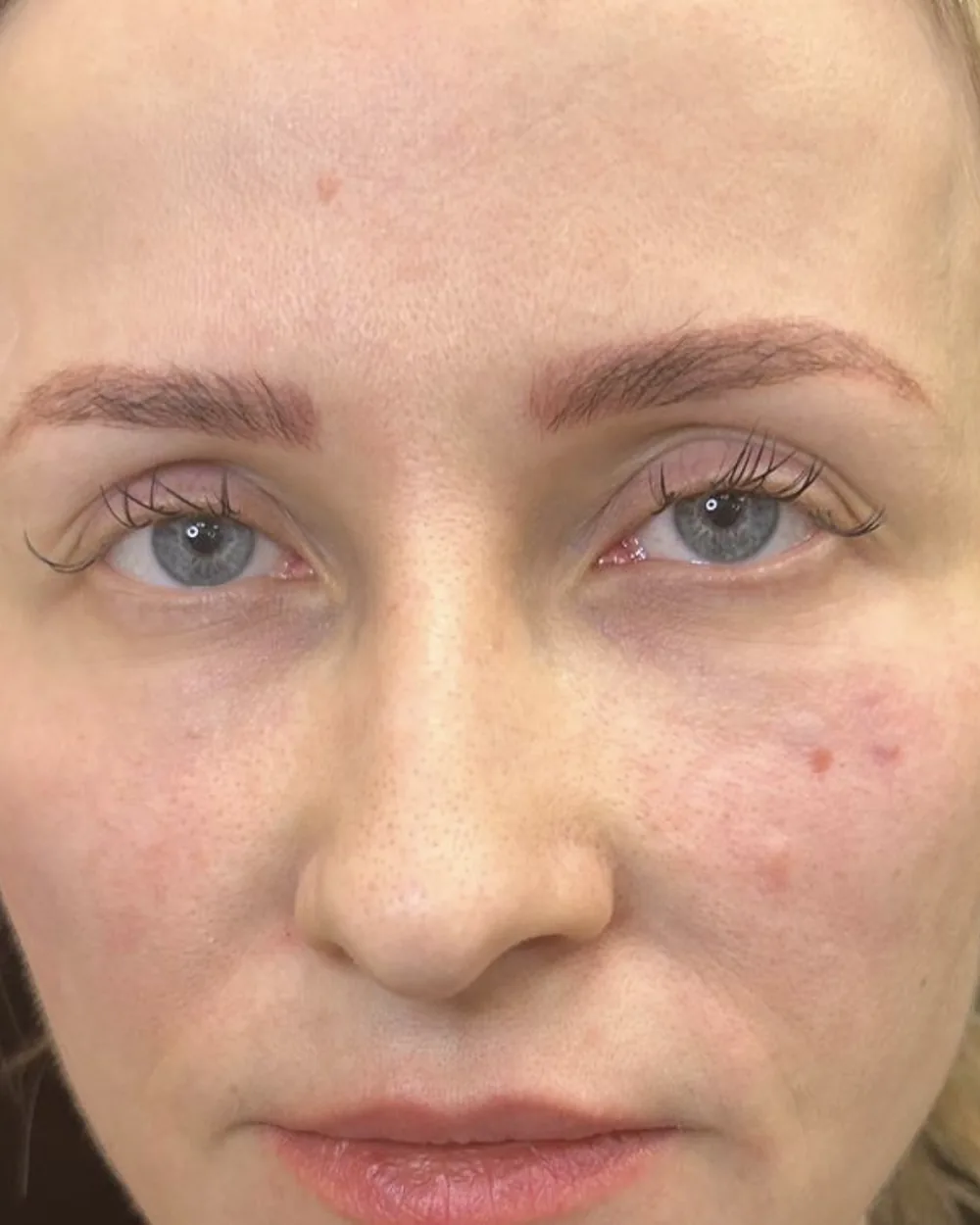
After Tear-trough hollow
The hollow beneath the eyes appears softer, with a more even transition into the cheek.
Under-eye filler
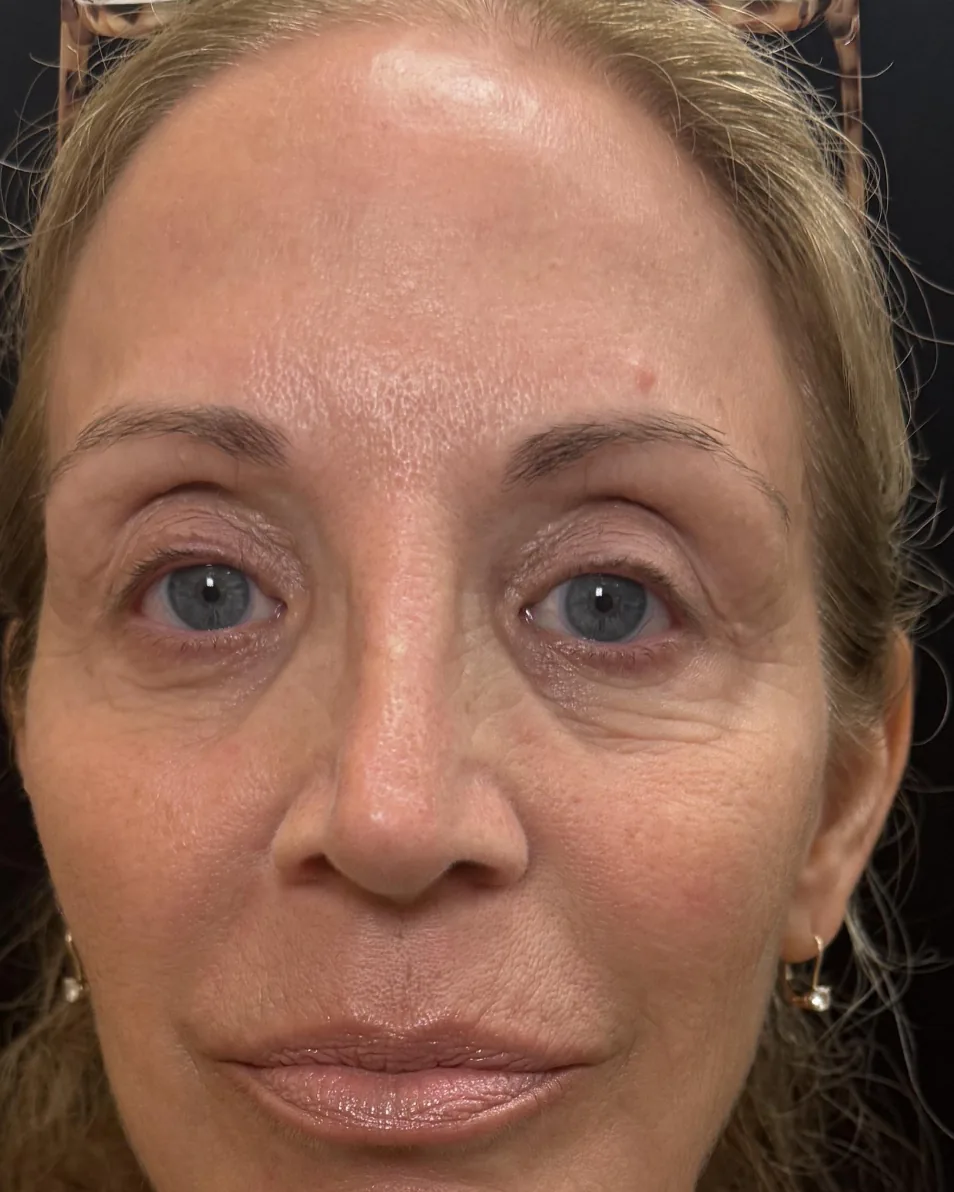
Before 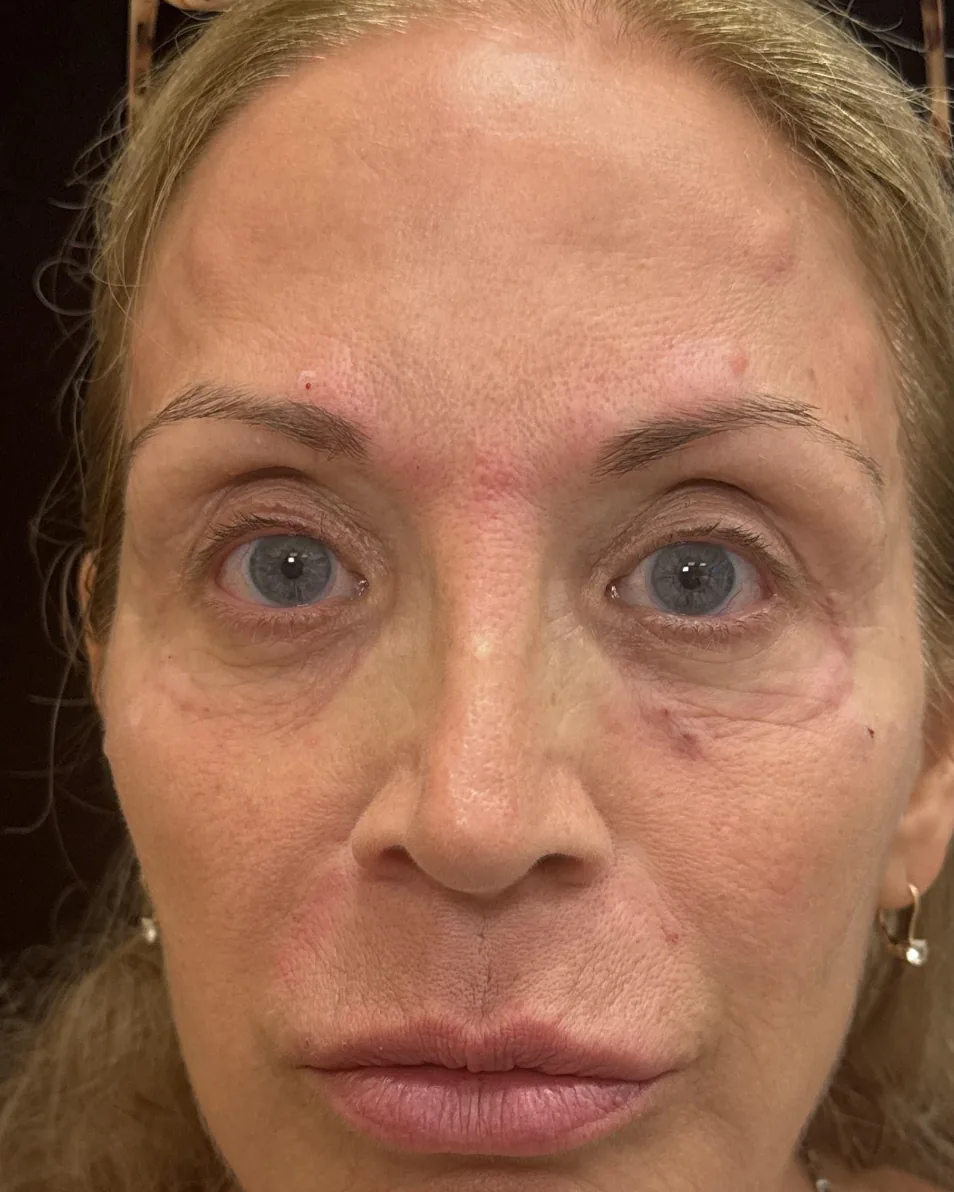
After Under-eye hollow
A measured amount of filler was used to soften the lower-lid hollow.
Under-eye filler
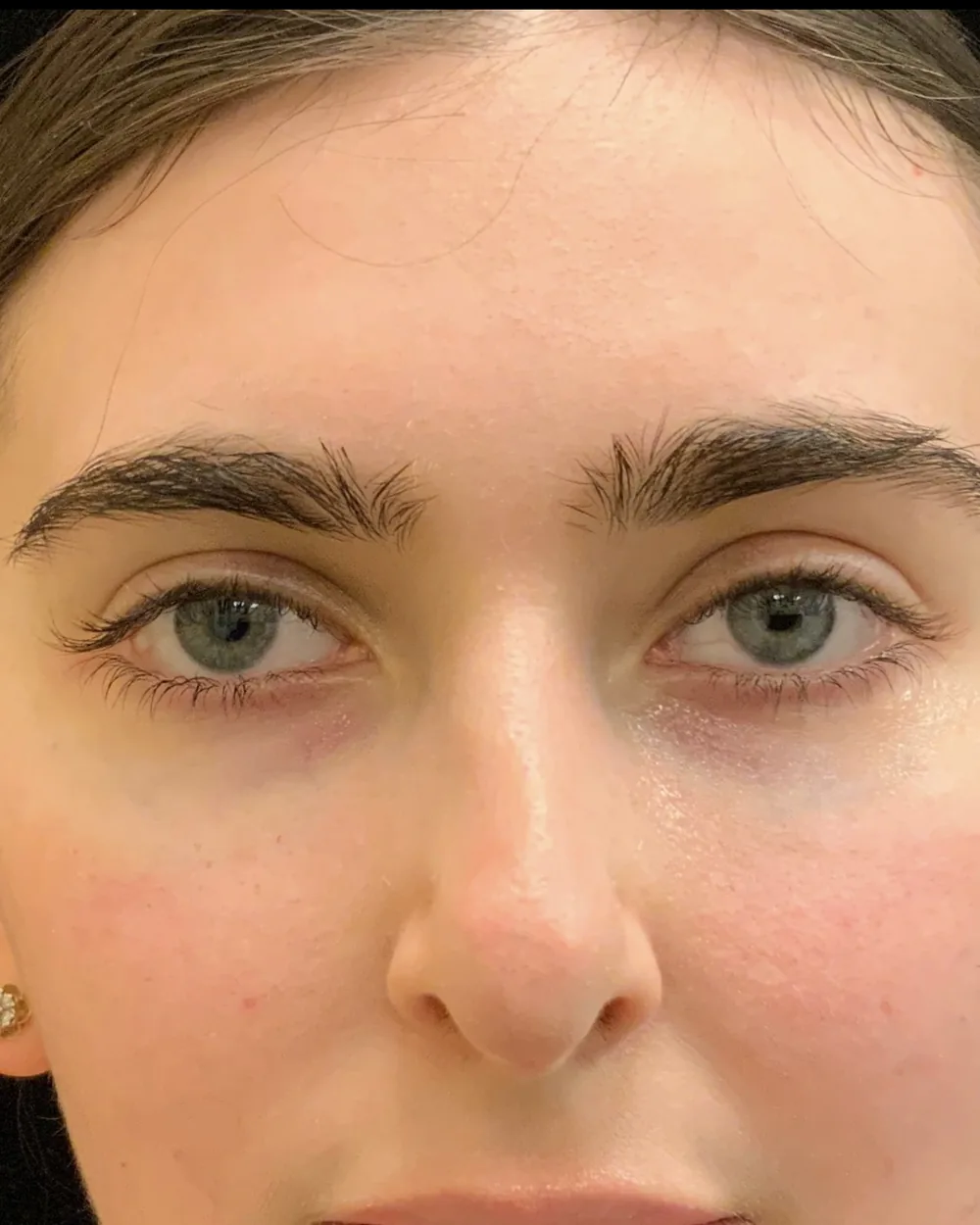
Before 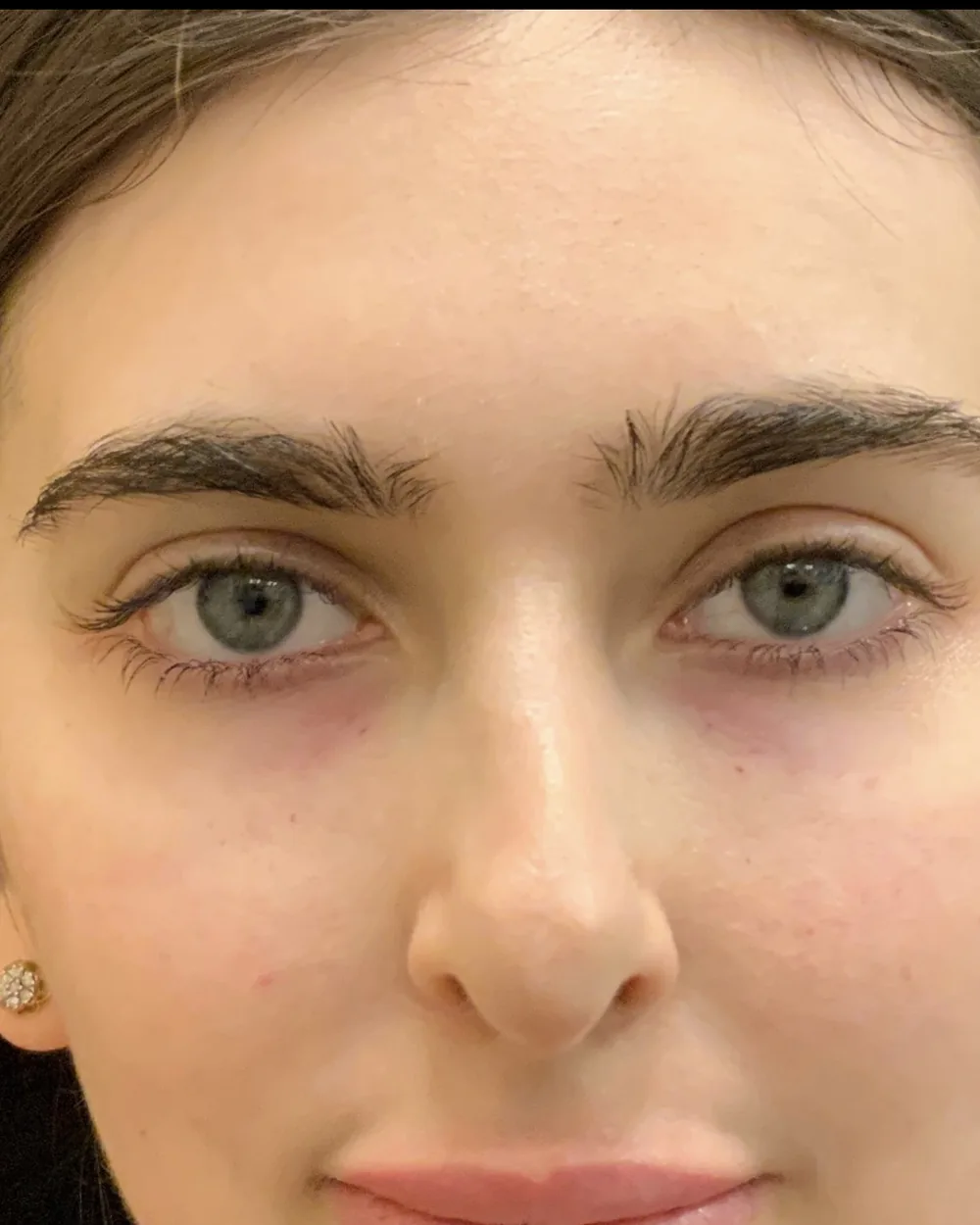
After Tear-trough hollow
The shadow across the lower lid is less pronounced after filler placement.
Under-eye filler
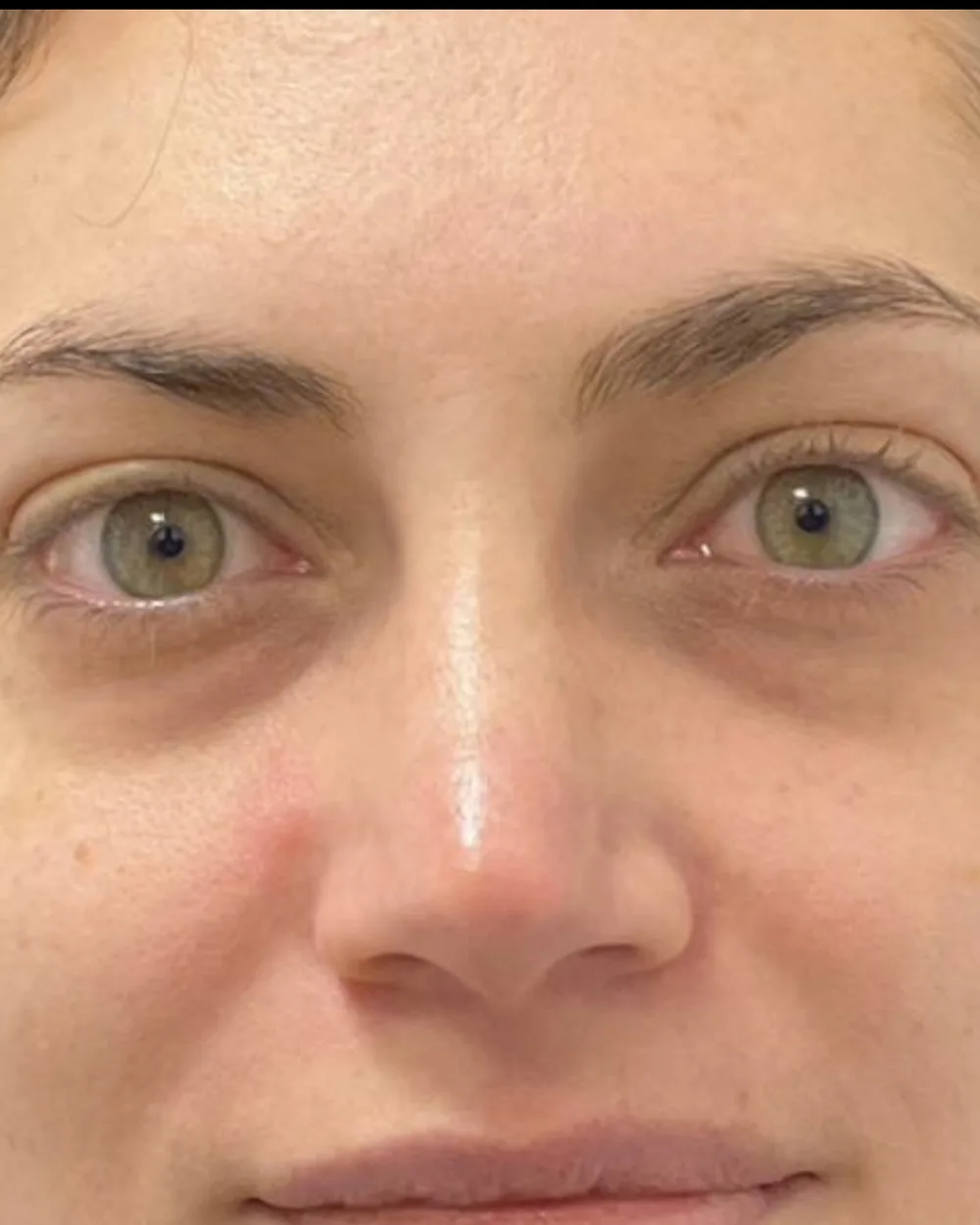
Before 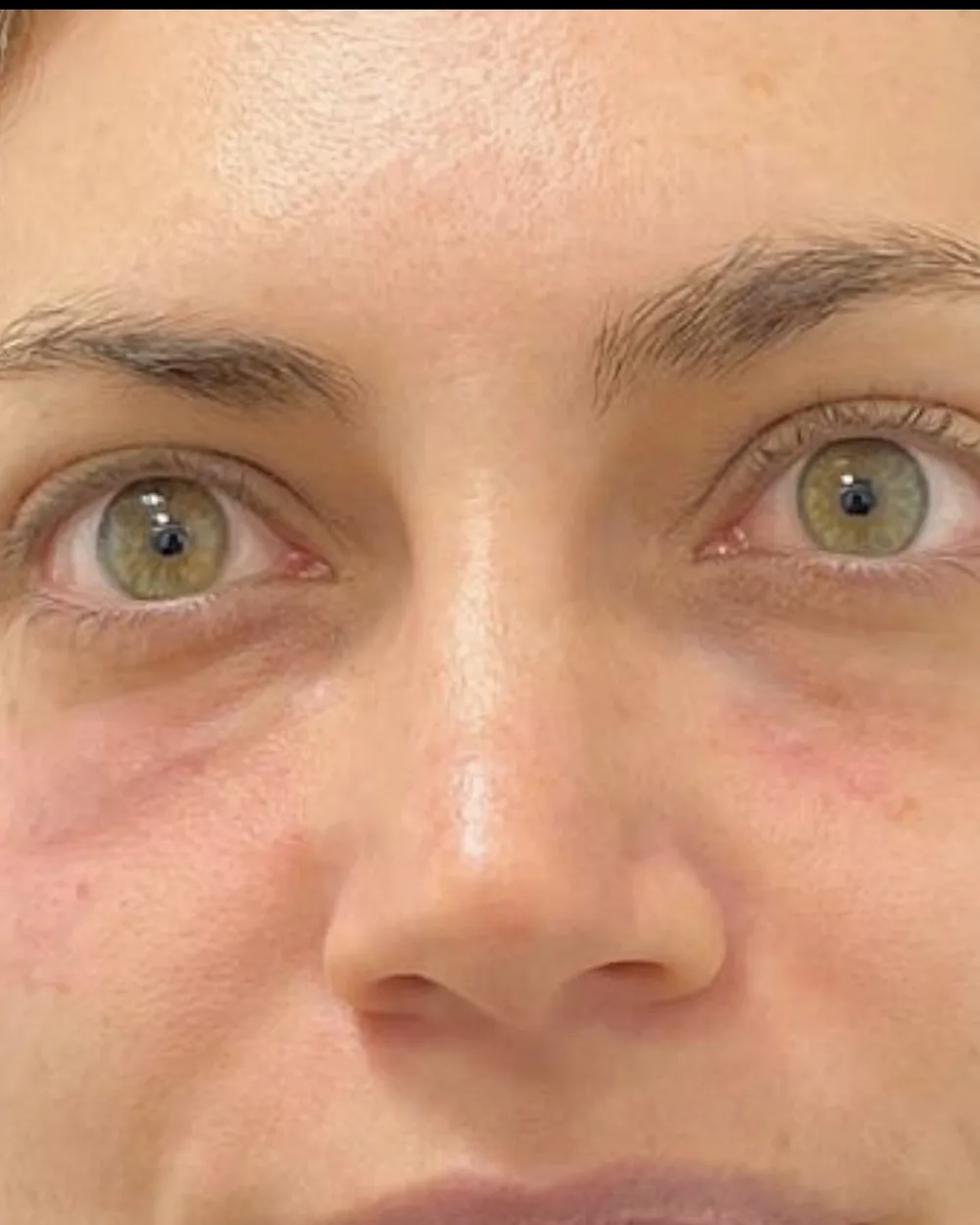
After Under-eye hollow
Filler softens the depression between the lower eyelid and cheek.
Under-eye filler
Individual results vary.
What it is
In plain terms
Under-eye filler, also known as tear-trough filler, can add subtle volume to the hollow beneath the lower eyelid where it meets the cheek, helping reduce the appearance of shadowing. Hollowness can cast a shadow that looks like fatigue, even when you are well rested.
Filler can soften a hollow; it does not improve the surface quality of thin or crepey skin, remove pigment, or correct fat that has pushed forward. In some patients, filler may make puffiness look heavier.
Many patients, particularly from their mid-thirties onward, notice both hollowing and crepey skin. When both are present, we consider each concern separately: filler may soften the hollow, while microneedling with biostimulants or laser resurfacing may be considered for skin texture. If forward fat is the main cause of puffiness, lower-lid surgery may be a better fit.
Who it's for
When it may fit
- You have a visible hollow between the lower lid and cheek that creates a shadow.
- You look tired even when you are well rested, and the concern appears to come from a hollow.
- You want a subtle correction rather than added volume.
- You want an assessment of whether hollowing, pigment, skin quality, fluid, or fat position is driving the concern.
- You have under-eye filler from another practice that looks puffy, uneven, or blue-gray and want it assessed.
Common questions
Questions patients ask before booking
If you do not see your question answered here, our team will walk through every detail at your consultation.
Can you revise under-eye filler placed elsewhere?
Almost always, yes. We first assess what is present and whether it is contributing to puffiness, unevenness, or discoloration. When appropriate, hyaluronic acid filler will be dissolved with hyaluronidase. We then allow the area to settle before retreatment.
Will filler fix dark color under my eyes?
Only when the darkness is largely a shadow created by a hollow. Filler does not remove pigment from the skin. Dark circles may also come from shadows caused by bulging fat or from other causes, such as fluid retention. We assess the cause before recommending treatment.
Is under-eye filler FDA-approved, and how do I know if I am a good candidate?
Some fillers have FDA-approved indications for hollowness beneath the eyes; others are used off-label in that area. Restylane Eyelight is approved for under-eye hollows, and it contains the identical ingredient found in Restylane-L. We explain the product and its indication as part of treatment planning. Filler is best suited to a true hollow, not every under-eye concern. When puffiness is caused by fat that has pushed forward, lower blepharoplasty may be more appropriate. Adding filler in these cases can sometimes make the area look puffier. At your consultation, we assess what is causing the concern and discuss which approach fits.
How long does it last?
Results are commonly reviewed for maintenance around nine to twelve months, depending on the product, placement, anatomy, and individual metabolism.
Is it reversible?
Hyaluronic acid filler can be dissolved with hyaluronidase when needed.
Filler or fat transfer for a lower-eyelid hollow?
There are two primary ways to treat a true lower-eyelid hollow. For most appropriately selected patients, Dr. Rapaport believes hyaluronic acid filler offers predictable correction with minimal downtime. Restylane is his preferred filler for this area. Fat transfer is another option and may provide long-lasting, potentially permanent volume, but it typically involves more downtime and the amount of fat that survives is less predictable. Uneven or greater-than-expected fat retention can lead to overcorrection or localized fullness that may require surgical correction. For these reasons, fat transfer is not Dr. Rapaport's first-line approach for most patients, though it may suit carefully selected patients.

Create your tailored aesthetic roadmap with a complimentary consultation from our nurse injectors
Or call us at (212) 520-1129